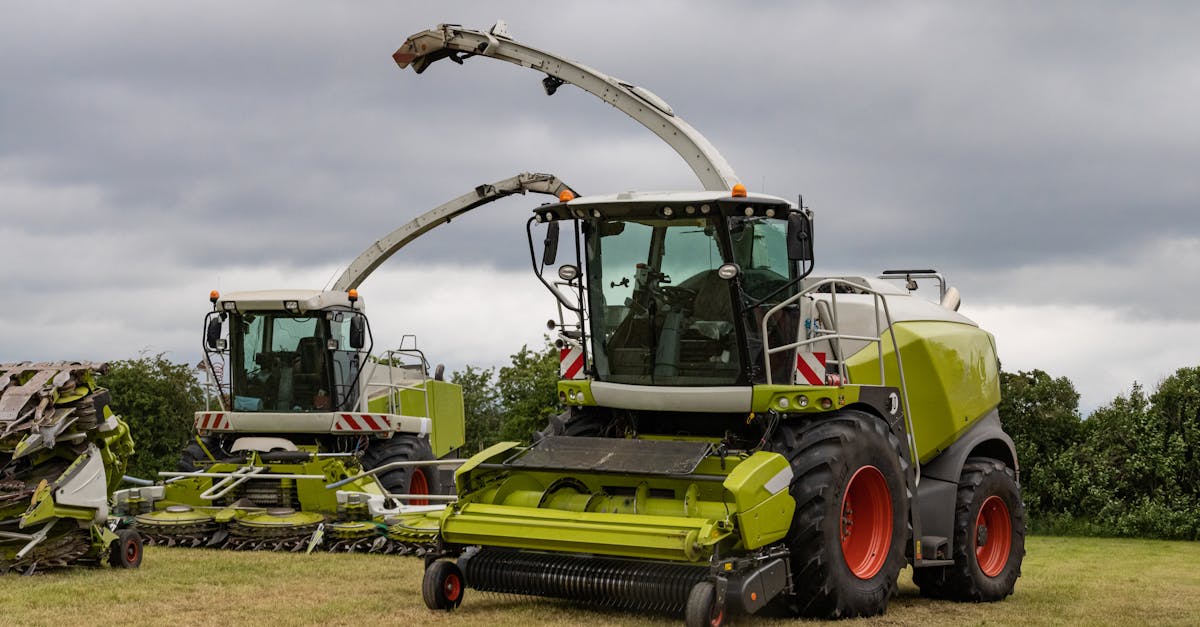
Choosing a tractor is one of the most significant investments for managing land. Yet, the process is often clouded by brand reputation and horsepower figures that tell only part of the story. The true measure of a machine lies not in its marketing, but in its mechanical capability to perform specific tasks efficiently and reliably.
This guide moves beyond surface-level comparisons to examine the core engineering that defines modern utility and sub-compact tractors. By understanding the interplay of power, hydraulics, and drivetrain, you can make a selection grounded in performance data, ensuring your equipment is a precise tool, not just a purchase.
Beyond Horsepower: The Real Metrics of Tractor Performance
Engine horsepower is a familiar starting point, but it’s a broad measure of potential energy. For practical work, two derived metrics are far more critical: power take-off horsepower and hydraulic flow. These figures translate engine power into actionable force for your implements.
The distinction between gross engine horsepower and PTO horsepower is fundamental. PTO horsepower is the power actually available at the rear of the tractor to drive attachments like mowers, tillers, and balers. It is always lower due to power losses through the drivetrain.
Why Hydraulic Flow is the Lifeblood of Utility
While the engine provides power, the hydraulic system provides control and brute force. Measured in gallons per minute, hydraulic flow rate determines how quickly and powerfully a tractor can operate its loader, backhoe, or remote hydraulic attachments. A high-flow system means faster cycle times and the ability to run larger, more demanding implements.
Key hydraulic specifications to evaluate include:
- Main Pump Flow (GPM): The total output of the hydraulic pump. This dictates overall system capacity.
- Loader Valve Flow: Often a portion of the main flow, this determines loader lift and dump speed.
- Remote Hydraulic Outlets: The number and flow rating of auxiliary ports for running attachments like log splitters or post-hole diggers.
Transmission Types: Matching Gearing to Task Profiles
The transmission is the interface between the engine’s power and the ground. The choice between a traditional gear drive, a hydrostatic transmission, or a modern continuously variable transmission fundamentally changes the operator experience and machine application.
Hydrostatic Transmission: Ultimate Control for Varied Tasks
A hydrostatic transmission uses hydraulic fluid to transfer power, allowing for infinite speed control within a range using just a pedal or lever. This design is exceptionally user-friendly and ideal for loader work, mowing in tight spaces, and applications requiring frequent direction changes.
Advantages of a hydrostatic system include:
- No clutching or manual shifting required.
- Precise, smooth control at low speeds.
- Easier operation for novice users.
Mechanical and CVT Options: Efficiency for Repetitive Work
Traditional synchro-shuttle or fully mechanical transmissions offer direct gear engagement, which can provide more efficient power transfer for constant-speed tasks like tilling a large field or road transport. Modern CVTs blend mechanical efficiency with some of the ease of a hydrostatic system, offering a seamless driving experience.
The Implement Interface: Hitches, Loaders, and Structural Capacity
A tractor’s value is realized through its attachments. The machine’s physical design dictates what it can lift, carry, and pull safely. Understanding these interface points prevents mismatching implements that can strain or damage the tractor.
Decoding Three-Point Hitch Categories
The three-point hitch is the standardized connection for rear implements. Categories (0, 1, 2, 3) define the physical size and lift capacity. A sub-compact tractor typically uses a Category 1 hitch, while larger utility tractors use Category 2. Compatibility is about more than pin size; it’s about the tractor’s ability to handle the implement’s weight and draft requirements.
Critical hitch specifications include:
- Lift Capacity at 24″: The standard measurement for how much weight the hitch can raise at a point 24 inches behind the link arms.
- Draft Control: A system that automatically adjusts hitch height based on pulling resistance, essential for consistent plowing depth.
Loader Lift Capacity and Frame Integrity
Front-end loader performance is defined by two numbers: lift capacity and breakout force. Lift capacity is how much weight it can raise to full height. Breakout force is the downward curl power used to dig into a pile. These capabilities are directly tied to the tractor’s hydraulic flow and, crucially, its chassis weight and strength.
A heavier tractor provides a more stable platform for loader work. Without sufficient frame weight, high lift capacity becomes unsafe, as the rear of the tractor can lift under load. This is why ballast—adding rear wheel weights or a counterweight implement—is a standard and necessary practice.
Drivetrain Dynamics: The Case for Four-Wheel Drive
Two-wheel drive may suffice for flat, dry conditions, but for most property management tasks, mechanical front-wheel drive is a transformative feature. It provides traction for pulling, pushing, and climbing in wet, muddy, or uneven terrain.
The structural benefits of four-wheel drive extend beyond traction:
- Improved stability on slopes and sidehills.
- Reduced wheel slippage, which minimizes soil compaction.
- Enhanced pushing power for loader work and snow removal.
- Ability to work confidently in a wider range of soil conditions year-round.
Building Your Tractor Specification Profile
Selecting the right machine is a process of matching engineering benchmarks to your prioritized task list. Begin by defining your three most common and most demanding jobs. Then, work backward to identify the specifications needed to accomplish them effectively.
For example, if running a rear-mounted woodchipper is a primary task, your selection focus should be on PTO horsepower and hydraulic flow rates to power the chipper’s feed mechanism. If moving heavy gravel with a loader is critical, then analyze loader lift capacity, breakout force, and the tractor’s base weight.
This task-first approach creates a factual framework for evaluating utility tractor specs. It allows you to compare models across brands objectively, asking not “Which brand is best?” but “Which machine’s mechanical capabilities align with my documented needs?”
The Path to an Informed Decision
Modern agricultural equipment mechanics are complex, but the selection process need not be overwhelming. By prioritizing hydraulic performance over engine horsepower alone, understanding the operational advantages of a hydrostatic transmission for versatile work, and demanding clear data on lift capacities and hitch categories, you build a foundation for a successful investment.
The goal is to move from uncertainty to clarity, armed with the technical understanding to choose a tractor that serves as a capable and reliable partner in managing your property for years to come. This structured approach to the machinery ensures that every specification has a purpose, directly linked to the real-world work waiting to be done.
- Technology: VPN Services – 28/04/2026
- Home Services: Roof Repair – 28/04/2026
- Home Services: HVAC Repair – 28/04/2026

Leave a Reply