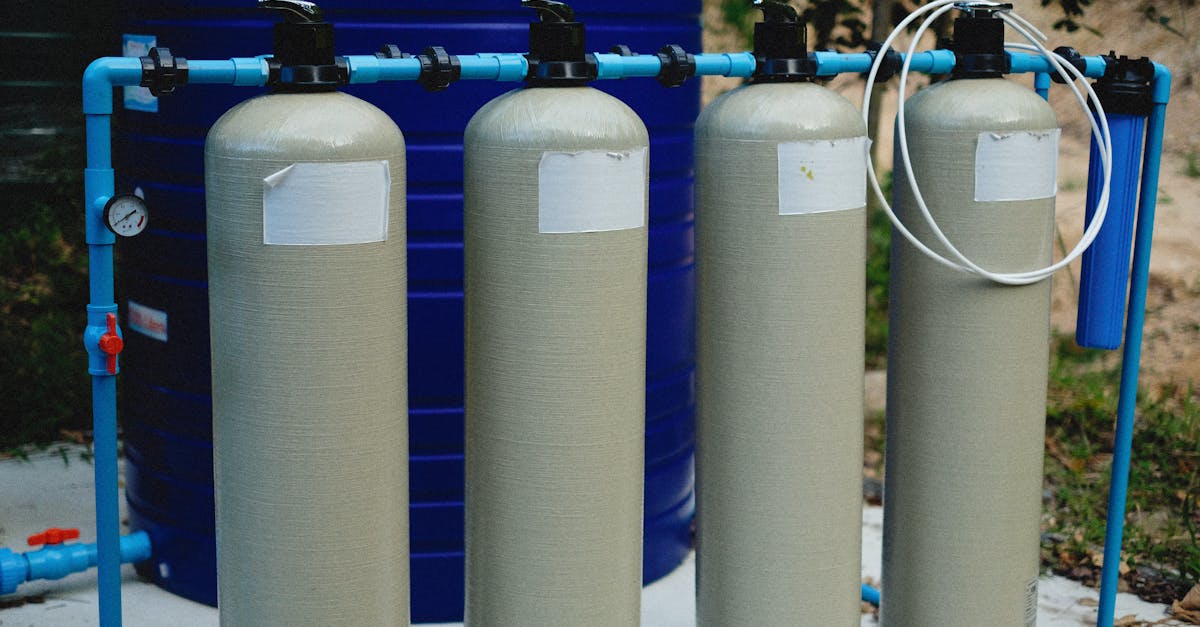
The water flowing from your tap is the product of a complex journey, from its source through municipal treatment and your home’s plumbing. For many homeowners, the first sign of a problem is a chalky residue on fixtures, a metallic taste in coffee, or a lingering concern about local water safety reports. The solution, however, is rarely one-size-fits-all.
Investing in a water treatment system without understanding your specific water chemistry is like prescribing medicine without a diagnosis. You might get lucky, but you’re more likely to overspend on technology you don’t need or, worse, leave critical water contaminants unaddressed. The key is a targeted treatment strategy, matching the right purification stage to the specific impurities in your home’s supply.
Your First Step: Decoding the Water Quality Report
Before considering any filter, you must know what you’re filtering. Every municipal water provider is required to publish an annual Consumer Confidence Report (CCR). This document is your most valuable tool for informed decision-making.
Look beyond the compliance checkmarks. Focus on the levels of specific substances. Key sections to scrutinize include:
- Inorganic Contaminants: This includes heavy metals like lead and copper, which can leach from household plumbing, as well as minerals like arsenic and nitrates.
- Disinfection Byproducts: Chemicals like trihalomethanes (THMs) that can form when chlorine reacts with organic matter in water.
- Secondary Standards: These affect aesthetics—like calcium and magnesium (which cause hardness), chloride, iron, and manganese, which influence taste, odor, and scaling.
For a more immediate or comprehensive analysis, consider professional home water testing. A certified lab test can identify issues specific to your home’s pipes and provide a precise contaminant profile, forming the blueprint for your purification plan.
The Purification Toolkit: Matching Technology to Contaminant
Modern water purification is a layered science, with each technology designed to tackle a specific class of impurities. Think of building your system as assembling a specialized team, where each member has a defined role.
Stage 1: Mechanical and Sediment Filtration
This is the first line of defense, protecting both your plumbing and downstream filters. Sediment filtration uses a physical barrier—often a pleated polyester or spun polypropylene filter—to trap suspended particles.
- Targets: Rust, sand, silt, dirt, and other particulate matter.
- Function: Acts as a pre-filter, preventing clogging in more advanced systems like reverse osmosis membranes.
- Placement: Often the initial stage in both point-of-use and whole-house systems.
Stage 2: Adsorption via Activated Carbon Filters
This is one of the most common and versatile technologies. Activated carbon filters work through adsorption, where contaminants are trapped inside the vast network of microscopic pores in a carbon block or granular carbon media.
- Targets: Chlorine, chloramines, volatile organic compounds (VOCs), pesticides, herbicides, and compounds that cause bad tastes and odors.
- Limitations: Does not effectively remove dissolved minerals, salts, or heavy metals. Cartridges require regular replacement as pores fill.
- Variations: Catalytic carbon is a specialized form more effective at removing chloramines, common in many municipal supplies.
Stage 3: Ion Exchange and Water Softener Science
This process addresses water hardness, a pervasive issue that causes scale buildup in pipes, water heaters, and appliances. Water softener science is based on a simple exchange of ions.
A softener tank contains resin beads charged with sodium or potassium ions. As hard water passes through, the calcium and magnesium ions (which cause hardness) swap places with the sodium ions, effectively removing them from the water.
- Targets: Calcium and magnesium ions (water hardness).
- Benefit: Prevents scale, improves soap lathering, and extends appliance lifespan.
- Note: Softeners do not purify water of other contaminants; they are often part of a broader whole-house filtration strategy.
Stage 4: Molecular Separation with Reverse Osmosis
For the broadest reduction of dissolved contaminants, reverse osmosis (RO) is the benchmark. Understanding reverse osmosis basics is crucial. An RO system uses pressure to force water through a semi-permeable membrane with pores so tiny that only water molecules can pass through reliably.
- Targets: A wide spectrum including dissolved salts, nitrates, fluoride, heavy metals (lead, arsenic), and many organic compounds.
- Process: Typically incorporates pre-filters (sediment and carbon) to protect the membrane and a post-filter for final polish.
- Consideration: RO systems produce wastewater and are generally installed as a point-of-use system under the kitchen sink for drinking and cooking water.
Stage 5: Disinfection with UV Water Purification
While filters remove chemical and particulate contaminants, they do not sterilize. UV water purification uses ultraviolet light to disrupt the DNA of microorganisms, rendering them unable to reproduce and causing them to perish.
- Targets: Bacteria, viruses, cysts (like Giardia and Cryptosporidium).
- Function: A purely physical disinfection method; adds no chemicals to the water.
- Requirement: Water must be pre-filtered to remove sediment and tannins that could shield microorganisms from the UV light.
Architecting Your System: Whole-House vs. Point-of-Use
With the technologies defined, the next decision is scope. Should you treat all the water entering your home, or focus on specific taps? The choice between whole-house filtration vs point-of-use defines your investment and outcome.
The Whole-House (Point-of-Entry) Approach
A system installed where the main water line enters your home treats every faucet, shower, and appliance.
- Best For: Addressing aesthetic issues (chlorine odor, sediment), protecting plumbing and appliances from scale via a softener, and providing a base level of chemical reduction.
- Typical Setup: A sequence of sediment filter, carbon filter, and often a water softener.
- Advantage: Comprehensive protection for skin, hair, laundry, and water-using appliances.
The Point-of-Use (POU) Approach
These systems are installed at a single location, such as under the kitchen sink, on a countertop, or in a refrigerator.
- Best For: Delivering the highest purity water for consumption and cooking, often using reverse osmosis or advanced carbon filtration.
- Typical Setup: An under-sink reverse osmosis system or a high-performance carbon block filter.
- Advantage: Cost-effective for tackling specific drinking water contaminants without the scale of a whole-house system.
Many homeowners opt for a hybrid strategy: a whole-house system to manage hardness, sediment, and chlorine for the entire home, coupled with a dedicated under-sink reverse osmosis system at the kitchen tap for ultimate drinking water purity.
Building Your Action Plan
Armed with this knowledge, you can move from confusion to clarity. The path to better water is systematic, not speculative.
- Test and Analyze: Obtain your local CCR and consider a supplemental home water test for a complete picture.
- Identify Priorities: List your top concerns—is it hardness and scale? Chlorine taste? Specific contaminants like lead or nitrates?
- Map Technology to Need: Use the guide above to select the purification stages that directly address your priority contaminants.
- Determine Scope: Decide if a whole-house, point-of-use, or hybrid system makes the most sense for your home and budget.
- Plan for Maintenance: Every system requires upkeep. Factor in the schedule and cost of replacing filters, membranes, or softener salt.
The goal is not to install the most expensive or technically complex system, but the most efficient and effective one for your unique water profile. By understanding the science behind each stage of residential water purification, you transform from a passive consumer into an informed homeowner capable of making a confident, long-term investment in your household’s health and utility standards. The journey from source to tap is now a path you can navigate with precision, ensuring the water in your home meets the exact standard of quality you desire.
- Technology: VPN Services – 28/04/2026
- Home Services: Roof Repair – 28/04/2026
- Home Services: HVAC Repair – 28/04/2026

Leave a Reply