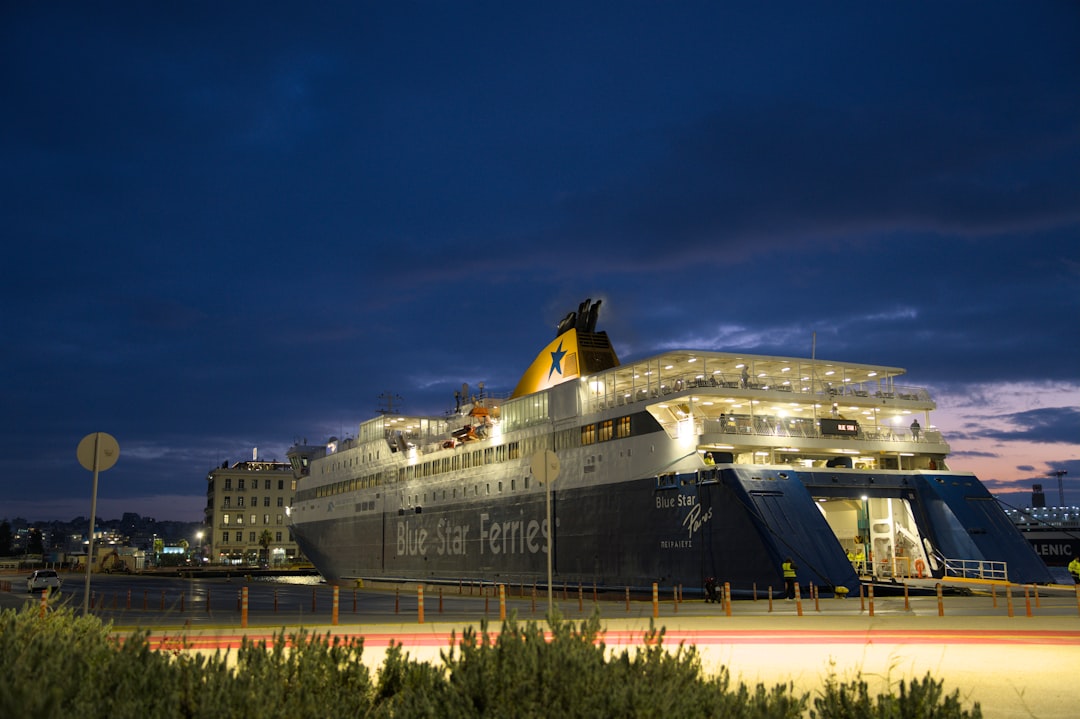
The modern cruise vacation represents a remarkable feat of coordinated systems. It is a moving city, a floating resort, and a logistical marvel that seamlessly blends hospitality, engineering, and global navigation. For the discerning traveler, moving beyond the surface allure requires a new kind of literacy—a framework for understanding the architecture that shapes every moment at sea.
Decoding the Vessel: From Engineering to Experience
The single most significant factor influencing your voyage is the ship itself. Its design dictates the atmosphere, pace, and possibilities of your journey. Understanding the fundamental cruise ship classifications is the first step in aligning your expectations with reality.
Mega-Ships: The Floating Metropolis
These engineering giants are destinations in their own right. Characterized by their immense size, they offer a vast array of amenities designed for high-capacity, energetic travel.
Key features of this category include:
- Neighborhood Design: Distinct themed zones, from expansive central parks and boardwalks with carousels to exclusive suite complexes.
- Activity-Centric Itineraries: A focus on onboard entertainment, with features like surf simulators, zip lines, Broadway-style theaters, and extensive spa facilities.
- Structured Logistics: Advanced reservation systems for dining, shows, and activities are often essential due to the high passenger count.
Boutique & River Vessels: The Curated Journey
This category represents the other end of the spectrum, emphasizing intimacy, destination immersion, and personalized service. The debate between ocean vs river cruising is central here.
Ocean-going boutique ships often feature:
- Lower passenger counts, allowing for access to smaller, less-frequented ports.
- Higher crew-to-guest ratios and more inclusive fare structures.
- An emphasis on enrichment lectures, destination-focused dining, and relaxed, social atmospheres.
River vessels, by contrast, are defined by their geography. They navigate inland waterways, offering a constantly changing scenic backdrop and daily port access, often docking in the heart of historic towns.
Expedition Hulls: The Purpose-Built Explorer
Designed for remote and polar regions, these ships prioritize durability, scientific capability, and passenger mobility over traditional luxury. Their reinforced hulls, fleet of Zodiac landing craft, and expert expedition teams facilitate exploration of destinations like Antarctica, the Arctic, and the Galápagos.
Navigating the Financial Seas: Fare Structures Demystified
The advertised base fare is just the beginning. A clear understanding of cruise fare structures is critical for accurate budgeting and avoiding surprise expenses. The industry primarily operates on two models.
The “Mostly-Inclusive” Model
Common on mainstream and premium lines, this fare typically covers your stateroom, main dining rooms, buffets, standard beverages, theater shows, and use of most recreational facilities. It is a framework, not a blanket guarantee.
Items often excluded are:
- Specialty dining in à la carte restaurants.
- Premium beverages, including most alcoholic drinks, specialty coffees, and bottled water.
- Shore excursions, spa treatments, and select fitness classes.
- Gratuities for crew members, which may be automatically added daily.
The “Truly-Inclusive” Model
Favored by luxury and many boutique lines, this structure aims to minimize onboard spending. The higher upfront cost generally includes all dining venues, a full selection of beverages (often including premium spirits and wines), standard shore excursions, gratuities, and sometimes even Wi-Fi. This model simplifies nautical travel planning and creates a more seamless experience.
The Art of the Itinerary: Geography and Seasonality
A map of dots connected by a line tells only part of the story. Intelligent maritime itineraries are crafted around a deep understanding of regional weather patterns, port capacities, and cultural calendars.
Interpreting Itinerary Pacing
The rhythm of days at sea versus days in port fundamentally shapes the journey. A Caribbean itinerary with four ports in seven days offers constant cultural stimulation but less time to enjoy the ship’s amenities. A transatlantic crossing, by contrast, provides multiple serene days at sea for relaxation and onboard activities.
Mastering Port Logistics
A successful port-of-call guide starts with understanding the docking logistics. Will the ship dock directly at a pier, or will it anchor offshore requiring a tender boat transfer? This affects your time off the vessel.
Effective planning for shore excursion logistics involves:
- Booking Channels: Weighing the convenience and guarantee of ship-booked tours against the potential cost savings and customization of independent operators.
- Time Management: Factoring in transportation to the site, the activity duration, and a buffer for returning to the ship well before its scheduled departure.
- Activity Level: Honestly assessing the physical demands of an excursion, which can range from a gentle bus tour to a strenuous hike or snorkel adventure.
Your Home at Sea: A Guide to Cabin Categories
Your stateroom is more than just a place to sleep; it’s your private retreat and a significant factor in your comfort. Having cabin categories explained clearly helps you invest in the space that matches your travel style.
Location, Location, Location
Position on the ship is often as important as square footage. A midship cabin on a lower deck typically experiences the least perceived motion—a prime consideration for those concerned about seasickness. Cabins near elevators and stairwells offer convenience but may have more foot traffic, while rooms directly below the pool deck or gym could experience early morning noise.
Balcony, Oceanview, or Interior?
This is the primary tier of cabin selection. An interior room is a cost-effective choice for travelers who plan to spend minimal time in their cabin. An oceanview room provides natural light via a window or porthole. A balcony stateroom offers private outdoor space, which can dramatically enhance the experience, especially on scenic itineraries like Alaska or the Norwegian fjords.
Synthesizing Your Nautical Literacy
True confidence in nautical travel planning comes from connecting these discrete systems. The ideal voyage emerges when you align the vessel type with your desired social atmosphere, match the itinerary’s pace to your energy level, select a fare structure that fits your financial comfort, and choose a cabin that serves as your perfect home base.
This framework transforms the overwhelming array of choices into a clear decision matrix. It empowers you to analyze the 2026 cruise market not as a bewildering catalog of similar options, but as a diverse portfolio of distinct travel products, each engineered to deliver a specific type of experience. With this architectural understanding, you move from being a passive passenger to an informed navigator of your own journey, ready to select the voyage that is meticulously crafted for the memories you wish to create.
- Technology: VPN Services – 28/04/2026
- Home Services: Roof Repair – 28/04/2026
- Home Services: HVAC Repair – 28/04/2026

Leave a Reply