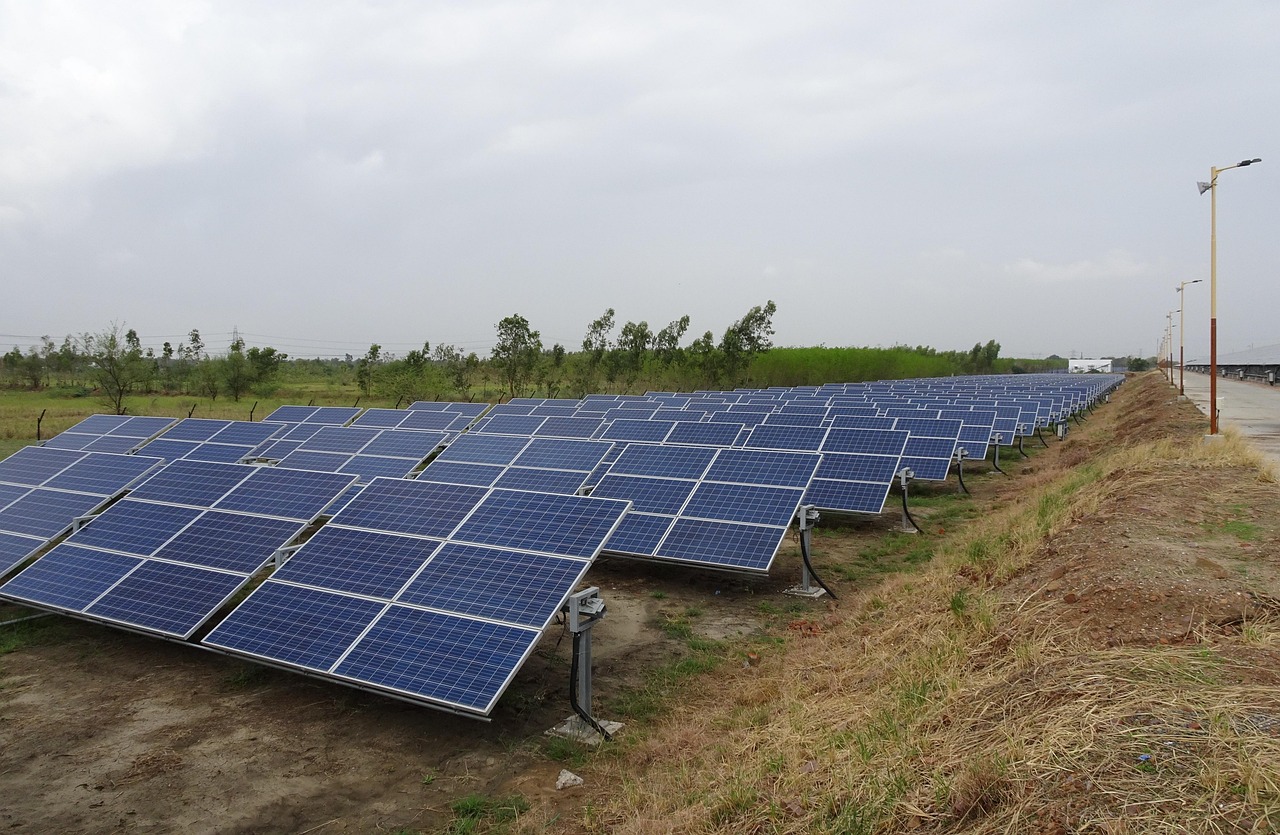
The residential solar landscape is undergoing a profound transformation. What was once a straightforward installation of panels on a roof has matured into a sophisticated, integrated energy management system for the modern home. This evolution is driven by remarkable advancements in photovoltaic technology, smarter energy storage, and intelligent software, all converging to offer homeowners unprecedented control and financial benefit.
Understanding these components is no longer just for industry experts. For homeowners considering an investment, grasping the science behind modern solar and storage is key to making an informed decision that maximizes return for decades to come. This guide examines the critical technologies and market dynamics shaping systems in 2026 and beyond.
The New Generation of Photovoltaic Cells
The heart of any solar installation is the photovoltaic cell. Recent years have seen a decisive shift away from traditional P-type PERC cells toward more advanced architectures that deliver significantly higher efficiency and better performance in real-world conditions.
N-type TOPCon and Heterojunction (HJT) Cells
The new standard is being set by N-type cells, primarily TOPCon (Tunnel Oxide Passivated Contact) and Heterojunction (HJT) technologies. These cells are engineered to minimize energy losses, allowing them to convert more sunlight into electricity.
Commercial panels featuring these cells now routinely achieve conversion efficiencies exceeding 24%, a meaningful jump from the 20-21% common just a few years ago. This translates directly to more power from the same roof space.
- Higher Efficiency: More kilowatt-hours generated per panel, crucial for homes with limited roof area.
- Lower Degradation: N-type cells exhibit slower performance decline over time, ensuring output remains higher for the 25+ year life of the system.
- Better Temperature Coefficient: They lose less efficiency on hot days compared to older technologies, providing more reliable summer production.
The Rise of Bifacial Panels
Another significant innovation is the adoption of bifacial panels. Unlike traditional modules that only capture direct sunlight on their front side, bifacial panels are designed with a transparent backsheet or dual glass.
This allows them to capture reflected and diffused light from surfaces like a light-colored roof, gravel, or snow, boosting total energy yield by 5% to 15%. This “bonus” production makes them particularly valuable in certain installation environments.
Intelligent System Management: The Brain of Your Solar Array
Advanced panels are only one part of the equation. The true potential of a modern residential system is unlocked by intelligent inverters and energy management platforms. These components act as the system’s brain, optimizing every kilowatt-hour.
AI-Driven Smart Inverters
Today’s inverters do far more than convert DC solar power to usable AC electricity. Equipped with software and communication capabilities, they can:
- Maximize Self-Consumption: Prioritize using solar energy directly in the home, reducing grid dependence instantly.
- Integrate with Storage: Seamlessly manage charging and discharging cycles of a home battery system.
- Respond to Grid Signals: Participate in utility programs or automatically adjust output during periods of grid stress.
This intelligence is critical for capitalizing on dynamic electricity rates, including “negative tariff” periods where utilities may pay customers to consume excess renewable energy available on the grid.
Modern Lithium Storage: The Essential Partner
Energy storage has evolved in parallel with solar technology. Modern lithium-based systems, particularly those using Lithium Iron Phosphate (LFP) chemistry, are the cornerstone of a truly resilient and economical home energy setup.
These systems offer significant advantages over earlier technologies:
- Enhanced Safety: LFP chemistry is inherently more stable and less prone to thermal issues.
- Longer Lifespan: Capable of thousands more charge-discharge cycles, often with warranties guaranteeing 70% capacity after 10 years.
- Deeper Usable Capacity: Many modern systems allow near-total use of the battery’s rated capacity without damaging it.
A well-sized storage system allows homeowners to bank excess solar generation from the afternoon for use during the expensive evening peak, providing bill savings and backup power during outages.
Navigating the Incentive Landscape in 2026
The financial model for residential solar continues to shift. While the federal investment tax credit remains a powerful tool, the long-term value proposition is increasingly shaped by state and local incentives, as well as utility policies.
Performance-Based Incentives: SRECs and Beyond
Solar Renewable Energy Certificates (SRECs) create a market for the clean energy attributes of your system’s production. In states with active SREC markets, homeowners earn certificates for every megawatt-hour generated, which can be sold for additional income.
The trend is moving toward performance-based incentives that directly reward actual energy production over time, rather than just the system’s installation.
Utility Rebates and Tariff Structures
Many utilities offer direct rebates for solar and storage installations to help manage local grid demand. More importantly, understanding your utility’s specific net metering or buy-back rates is crucial.
- Net Metering: Credits you for excess solar sent to the grid, often at the retail electricity rate.
- Time-of-Use (TOU) Rates: Charges different prices for electricity based on the time of day, making solar self-consumption and battery dispatch strategically valuable.
- Demand Charges: Some tariffs include fees based on your highest rate of power draw from the grid in a month, which a battery can effectively mitigate.
The combination of high-efficiency generation, intelligent management, and strategic storage allows homeowners to navigate these tariff structures optimally, maximizing savings.
Calculating Long-Term Value in a Post-Federal Credit World
As federal support eventually phases down, the focus for homeowners and industry professionals shifts squarely to the intrinsic long-term value of the system. This value is a function of several key factors:
- Energy Production & Offset: The total kilowatt-hours your system generates and what percentage of your bill it eliminates.
- Equipment Longevity & Warranty: The degradation rate of your panels and the warranty terms on all major components.
- Grid Independence & Resilience: The value of backup power during increasing grid instability and outage events.
- Hedge Against Inflation: Locking in a significant portion of your energy cost at a fixed rate, protecting against rising utility prices.
A modern system built with high-efficiency N-type panels, integrated storage, and smart software is engineered to deliver on all these fronts. It transforms a home’s relationship with energy from passive consumption to active, optimized management.
The science of modern solar and storage is no longer niche knowledge; it is the essential framework for evaluating a major household investment. By understanding the capabilities of TOPCon and HJT cells, the strategic advantage of bifacial gain, the critical role of AI-driven inverters, and the robust mechanics of lithium storage, homeowners can make choices aligned with both immediate incentives and decades of performance. The goal is a system that not only saves money but also provides energy security and contributes to a more resilient grid, making an informed approach more valuable than ever.
- Technology: VPN Services – 28/04/2026
- Home Services: Roof Repair – 28/04/2026
- Home Services: HVAC Repair – 28/04/2026

Leave a Reply