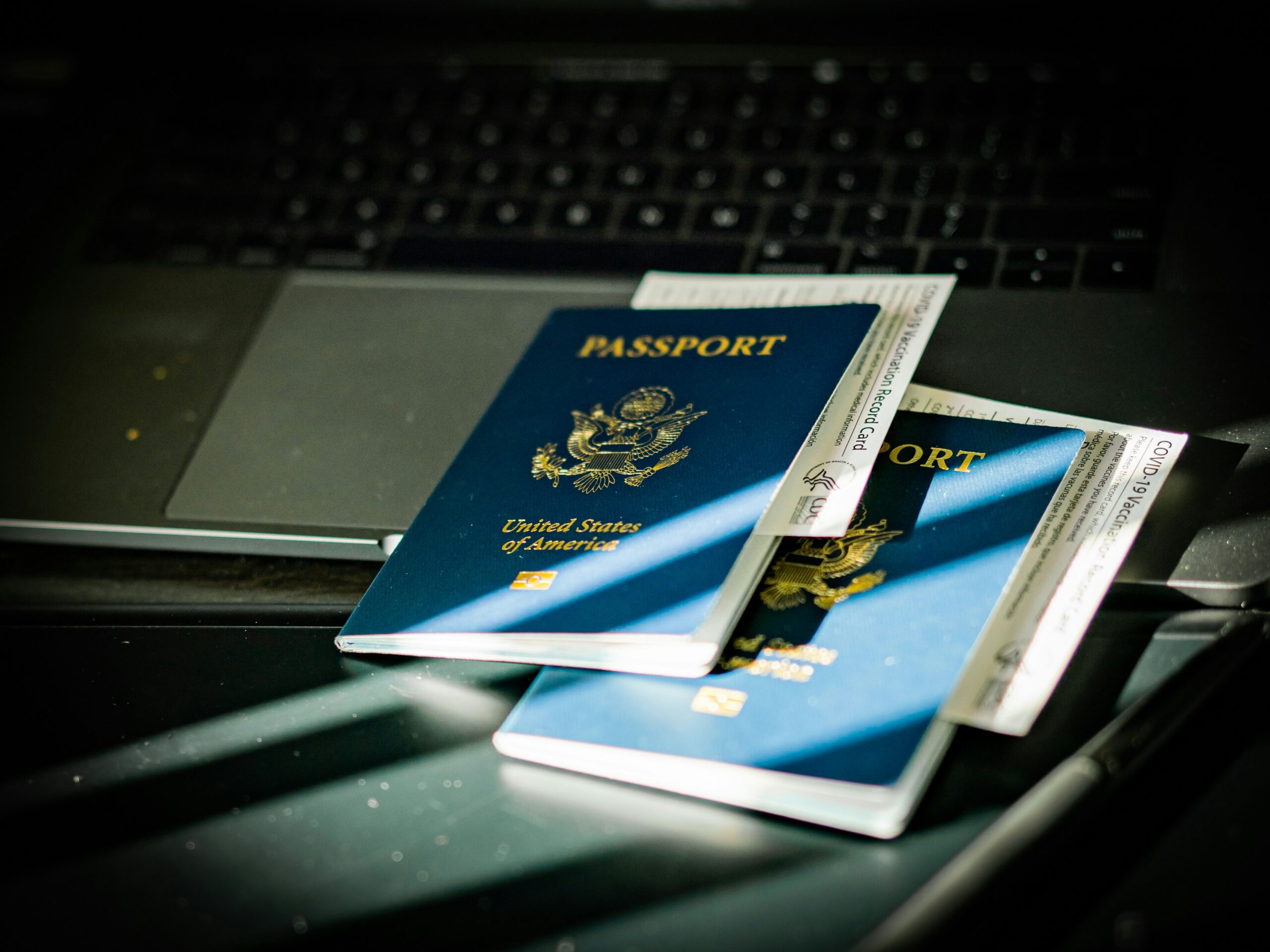

You’ve booked the flights, scoured reviews for the perfect hotel, and your itinerary is a masterpiece of must-see sights. But there’s one last item on your pre-trip checklist that often gets glossed over: travel insurance. It’s not the most glamorous part of planning a vacation, but understanding it can be the difference between a minor hiccup and a financial nightmare. Think of it not as an extra cost, but as a safety net for your investment and your peace of mind. Let’s break down the confusing jargon and complex policies into a simple, comprehensive guide so you can navigate the world of travel insurance like a pro.
Why Travel Insurance Isn’t Just a “Maybe” Anymore
Gone are the days when travel insurance was an afterthought for only the most adventurous trips. In our current world, where flight cancellations are common and medical costs abroad can be astronomical, it’s a essential layer of protection. At its core, a good policy protects two major things: your financial investment in the trip and your health while you’re away. Imagine having to cancel a non-refundable $3,000 tour because of a family emergency, or facing a $50,000 hospital bill for a broken leg in Europe. Travel insurance is designed for these exact scenarios, turning a potential catastrophe into a manageable inconvenience.
The Core Components: Breaking Down the Coverage Types
Not all policies are created equal. Most comprehensive plans are a bundle of several key coverage types. Here’s what you’re typically looking at:
Trip Cancellation and Interruption
This is the big one for protecting your prepaid, non-refundable expenses. If you have to cancel your trip before departure or cut it short due to a covered reason, this reimburses you. Covered reasons usually include sudden illness or injury (to you, a family member, or a travel companion), severe weather disrupting travel, or being called for jury duty. Always read the list of covered reasons carefully—this is where the details matter most.
Emergency Medical and Dental
This is arguably the most critical coverage, especially when traveling internationally. Your domestic health insurance, including Medicare, often provides little to no coverage outside your home country. Emergency medical coverage handles hospital stays, doctor visits, and sometimes even medical evacuation. For example, a simple appendectomy in the United States can cost tens of thousands of dollars. This coverage ensures you get the care you need without bankrupting you.
Baggage Loss, Damage, and Delay
Airlines lose bags. It happens. This coverage provides reimbursement for your personal belongings if your luggage is lost, stolen, or damaged by the carrier. Additionally, if your bag is delayed for more than a set period (often 12-24 hours), it can pay for essential items like clothing and toiletries. Remember, there are usually per-item and total limits, so don’t expect full replacement value for a $5,000 camera unless you’ve declared it separately.
Travel Delay and Missed Connection
Stuck in an airport for 12 hours due to a mechanical issue? This coverage kicks in, reimbursing you for additional meals, accommodation, and sometimes even a last-minute hotel booking if you miss a cruise departure because of a delayed flight. There’s typically a minimum delay time (e.g., 6 hours) before coverage starts.
Specialty Coverages: Do You Need Them?
Depending on your travel style, you might want to look for these add-ons or specific policy types:
Cancellation for Any Reason (CFAR)
This is a premium upgrade that does exactly what it says. It gives you the flexibility to cancel your trip for a reason not listed in the standard policy—like sudden work demands or a simple change of heart. It usually reimburses 50-75% of your trip cost and must be purchased within a short window of your initial trip deposit (often 10-21 days).
Adventure and Sports Coverage
Planning to ski, scuba dive, or go mountain biking? A standard policy often excludes these “hazardous activities.” You’ll need to seek out a policy that specifically includes them, or purchase a rider to ensure you’re covered if you get injured on the slopes or on the trail.
Rental Car Damage
While many people rely on their personal auto insurance or credit card benefits for rental car coverage, a travel insurance policy can offer primary rental car damage coverage. This means it pays out first without you having to file a claim with your other insurance, potentially saving your premiums from increasing.
How to Choose the Right Policy: A Step-by-Step Guide
With hundreds of policies available, choosing can feel overwhelming. Follow this simple process:
- Assess Your Trip’s Risk Profile: Are you going on a cruise, a backpacking trip through Southeast Asia, or a luxury European tour? The value, destination, and activities dictate your needs.
- Know What You Already Have: Check your health insurance, homeowner’s/renter’s insurance, and credit card benefits. You might already have some coverage for baggage or rental cars, avoiding duplicate purchase.
- Compare, Don’t Just Buy: Use a reputable travel insurance comparison website to view multiple quotes at once. Don’t just look at price; compare coverage limits, exclusions, and deductibles side-by-side.
- Read the Fine Print (The Exclusions): This is the most important step. Policies won’t cover situations arising from pre-existing medical conditions (unless waived), acts of war, or incidents while under the influence. Understand the exclusions fully.
- Check the Provider’s Reputation: Look for reviews about the insurance company’s claim process. A cheap policy is worthless if they are notorious for denying claims. Look for companies with 24/7 emergency assistance hotlines.
Filing a Claim: Tips for a Smooth Process
If you need to use your insurance, staying organized is key. First, contact your insurance provider as soon as possible, especially in a medical emergency—their assistance team can often direct you to appropriate care. For any incident, document everything. This includes:
- Police reports for theft.
- Official statements from airlines or tour operators about delays/cancellations.
- Detailed receipts for any extra expenses incurred.
- Complete medical records and bills from any treatment abroad.
Submit your claim with clear, organized documentation as soon as you return home. The more thorough you are, the faster the process tends to be.
Common Pitfalls to Avoid
Even savvy travelers can stumble. Avoid these mistakes:
- Buying Too Late: Purchasing insurance the day before you travel often makes you ineligible for certain coverages like CFAR or pre-existing condition waivers. Buy it soon after your first trip deposit.
- Underinsuring Your Trip: Only insuring the flight cost when you have $2,000 in non-refundable tour bookings is a recipe for loss. Insure the total, prepaid, non-refundable cost of your trip.
- Assuming “Everything is Covered”: No policy covers everything. Understand the specific exclusions related to weather (e.g., a “named storm” clause), political unrest, and your personal health.
- Not Disclosing Pre-Existing Conditions: Be upfront. Failure to disclose can lead to a denied claim when you need it most.
Wrapping It Up: Your Ticket to Travel with Confidence
Navigating travel insurance is about making an informed decision that matches your specific trip and personal risk tolerance. It’s not one-size-fits-all. By understanding the different types of coverage, carefully comparing policies, and knowing what to do if you need to file a claim, you transform insurance from a confusing expense into a powerful tool. It’s the investment that protects your investment, allowing you to explore the world with greater confidence and security. So before you finalize those exciting plans, take the time to secure your safety net. Your future self, sipping a drink on a beach or recovering smoothly from a travel snag, will thank you for it.
Photo Credits
Photo by Oxana Melis on Unsplash
- Cybersecurity Insight – 31/03/2026
- The AI Tool Essentials – 31/03/2026
- The Legal Literacy Guide – 31/03/2026

•
Leave a Reply