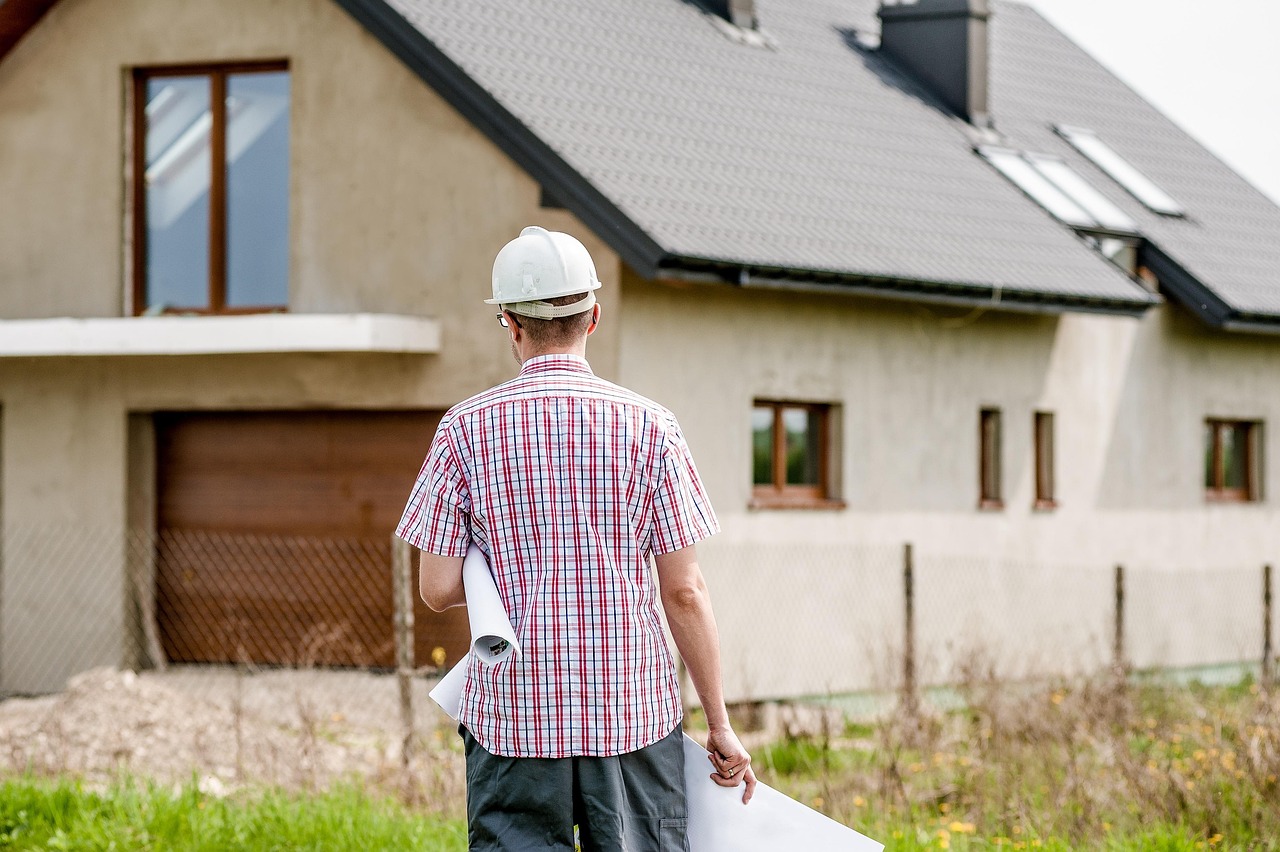
The prospect of a home upgrade is exciting. It’s a chance to transform your living space, increase comfort, and potentially boost your property’s value. Yet, for many homeowners, that initial excitement quickly gives way to a wave of uncertainty. Where do you even begin?
The sheer volume of choices—from paint colors and flooring materials to major structural changes—can be paralyzing. The fear of a costly misstep or a renovation that doesn’t deliver on its promise is real. This guide is designed to cut through that noise, providing a clear, step-by-step framework to help you plan, budget, and execute your project with confidence.
Laying the Foundation: The Pre-Project Blueprint
Jumping straight into selecting fixtures or tearing down walls is a common first mistake. Successful home improvement starts not with a hammer, but with a plan. This initial phase of reflection and research is the most critical investment you can make.
Define Your “Why” and Set Realistic Goals
Before browsing a single catalog, ask yourself the fundamental questions. Are you renovating to increase your home’s resale value, to improve functionality for your family’s needs, or purely for personal enjoyment and aesthetic uplift? Your primary goal will steer every subsequent decision.
Be specific. Instead of “update the kitchen,” aim for “create a more efficient cooking workspace with better storage and modern, easy-to-clean surfaces.” Clarity here prevents scope creep and keeps your project focused.
Conduct a Thorough Home Audit
Walk through your home with a critical eye and a notepad. This isn’t about finding flaws; it’s about understanding opportunities. Assess what works, what doesn’t, and what requires immediate attention versus what can be a future phase.
- Function & Flow: Which rooms feel cramped or underutilized? Is traffic flow awkward?
- Condition & Maintenance: Note any existing issues like leaky faucets, drafty windows, or worn flooring that should be addressed first.
- Style & Cohesion: Does your home have a consistent feel, or does it feel like a collection of disparate eras?
Master the Art of the Budget
Financial planning is the cornerstone of any successful home upgrade. A well-structured budget is your project’s guardrail, preventing overspend and stress.
Start by determining your total comfortable investment. Then, follow the essential 20% rule: allocate approximately 20% of this total as a contingency fund for the unexpected. Materials, labor, permits, and finishing touches should be itemized as clearly as possible.
- Prioritize Needs Over Wants: Structural integrity, safety, and fixing existing problems come before cosmetic luxuries.
- Get Multiple Quotes: For any professional work, obtain at least three detailed written estimates to ensure fair market pricing.
- Phase Your Project: If your dream list exceeds your budget, create a sensible multi-year plan. Tackle the most important or foundational elements first.
Smart Home Improvement Ideas by Priority
Not all upgrades are created equal. Some offer significant returns on investment, while others are purely for personal pleasure. Balancing these can be the key to a satisfying project. Here’s how to prioritize.
High-Impact, Lower-Cost Upgrades
You don’t need a massive budget to make a dramatic difference. These DIY home upgrades and quick refreshes can transform a space with minimal financial outlay.
- Paint & Hardware: A fresh coat of paint is the most cost-effective transformation. Updating cabinet pulls, door handles, and light switch plates adds a polished, custom look.
- Lighting: Replace outdated fixtures with modern alternatives. Add layers of light with floor lamps, sconces, and under-cabinet LED strips to create ambiance and functionality.
- Declutter & Reorganize: Invest in smart storage solutions. Installing shelf organizers, drawer dividers, or a new closet system can dramatically improve a room’s feel and utility.
- Landscaping Curb Appeal: Trim overgrown bushes, refresh mulch, plant seasonal flowers, and ensure your front door is clean and welcoming.
Mid-Range Value-Add Projects
These projects require more investment but consistently rank high in both enjoyment and return, making them excellent targets for a budget home renovation plan.
- Kitchen & Bathroom Facelifts: Instead of a full gut renovation, consider refacing cabinets, replacing countertops, updating backsplashes, or installing new faucets and sinks.
- Flooring Updates: Replacing worn carpet with luxury vinyl plank or refinishing existing hardwood floors can modernize your entire home.
- Energy Efficiency Improvements: Upgrading to a smart thermostat, adding insulation to the attic, or sealing windows and doors reduces utility bills and increases comfort.
Major Investments: Where Caution Meets Vision
Large-scale renovations like additions, full kitchen remodels, or bathroom expansions require meticulous home upgrade planning. Their value is often realized in long-term livability rather than immediate financial return.
Always consult with architects or structural engineers for such projects. Ensure the design is timeless and complements the existing architecture of your home to protect its value.
Navigating the Execution: DIY vs. Hiring a Pro
One of the most pivotal decisions in any project is determining what you can realistically handle yourself. An honest assessment saves time, money, and frustration.
- Ideal DIY Projects: Painting, basic landscaping, installing shelving, simple tiling (like a backsplash), and cosmetic updates. These tasks have clear learning resources available and lower stakes for error.
- When to Hire a Professional: Any work involving plumbing, electrical systems, structural changes, gas lines, or complex HVAC. Permits and inspections often require licensed professionals. The cost of fixing a DIY mistake in these areas far exceeds the initial cost of hiring an expert.
Vet contractors thoroughly. Check licenses, insurance, and references. A detailed, written contract that outlines scope, timeline, payment schedule, and specific materials is non-negotiable.
Avoiding Common Pitfalls
Even with the best plans, challenges arise. Being aware of frequent missteps helps you avoid them.
- Underestimating Timelines: Add 15-20% to your initial time estimate. Delays in material delivery, weather, and unforeseen issues are the rule, not the exception.
- Choosing Trends Over Timelessness: While it’s fun to incorporate current styles, base your major decisions on classic, durable design that you will love for years.
- Neglecting the Finished Details: The final 10%—touch-up paint, trim, caulking, and thorough cleaning—is what separates an amateur job from a professional one. Don’t rush the finish line.
- Over-improving for the Neighborhood: Research local home values. An investment that makes your home the most expensive on the block by a wide margin may not be recouped.
Moving Forward with Confidence
The journey of improving your home should be empowering, not overwhelming. By starting with a solid plan, defining clear goals, and building a realistic budget, you shift from a state of uncertainty to one of informed control. This home improvement guide provides the framework, but your vision provides the destination.
The most valuable upgrade you can make is the confidence that comes from knowledge. With these home renovation tips and a structured approach to home upgrade planning, you are equipped to make decisions that align with your goals, your lifestyle, and your investment. The path to a home you love more begins not with a single purchase, but with the clarity of a well-considered plan.
- Cybersecurity Insight – 31/03/2026
- The AI Tool Essentials – 31/03/2026
- The Legal Literacy Guide – 31/03/2026

Leave a Reply