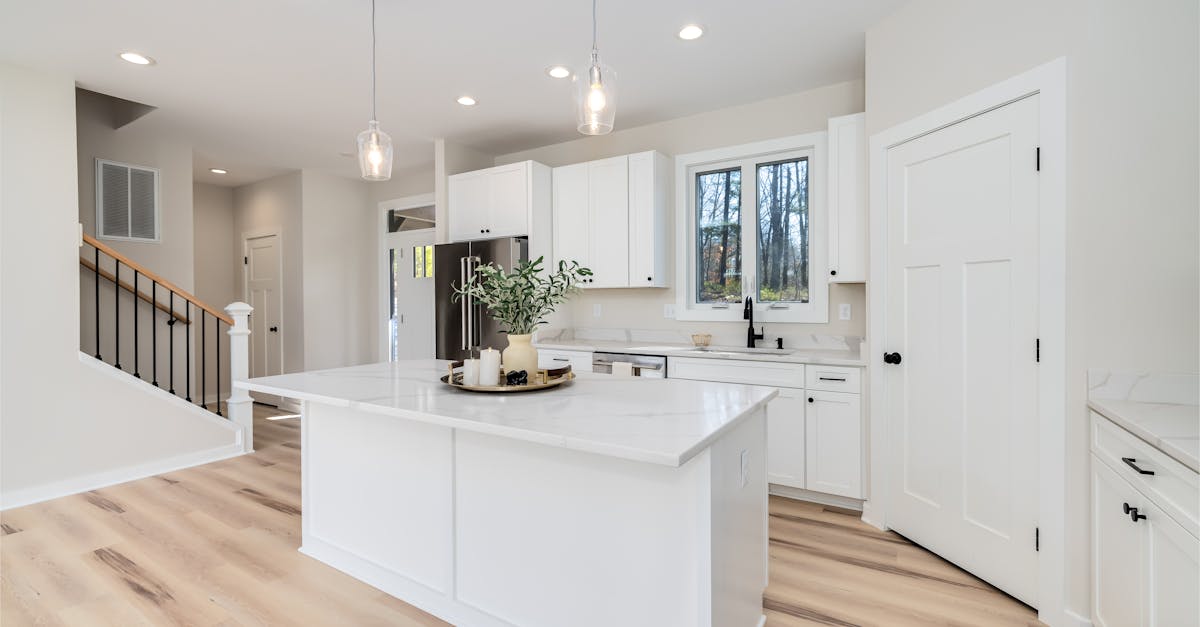
The prospect of a kitchen renovation can be as daunting as it is exciting. You envision a space that’s both stunning and supremely functional, but the path from a dated kitchen to your dream room is paved with countless decisions. Where do you even begin?
This guide is designed to cut through the noise. We’ll walk you through a structured, practical approach to planning your kitchen upgrade, helping you avoid common pitfalls and make choices you’ll appreciate for years.
Laying the Foundation: Your Pre-Remodel Blueprint
Jumping straight into selecting cabinet finishes is a recipe for regret. Successful kitchen remodeling ideas start with a solid plan. This initial phase is about defining your goals and constraints with clarity.
Define Your “Why” and Set a Realistic Budget
Every successful project starts with a clear purpose. Are you aiming to improve functionality for a growing family, update severely outdated systems, or increase your home’s resale value? Your goal will steer every subsequent decision.
Concurrently, establish a firm financial framework. A realistic budget is your most powerful tool for an affordable kitchen remodel. Industry experts often recommend allocating funds across key categories:
- Cabinetry & Hardware (25-35%): Often the single largest expense.
- Appliances (15-20%): Research energy-efficient models that fit your cooking habits.
- Installation & Labor (20-25%): Never underestimate skilled labor costs.
- Countertops (10-15%): From laminate to quartz, options vary widely in price.
- Flooring, Lighting, & Backsplash (10-15%): These elements define the room’s character.
- Contingency Fund (10-20%): Non-negotiable for handling unexpected issues.
Master the Kitchen Work Triangle
Functionality hinges on layout. The classic “work triangle” concept—connecting the sink, refrigerator, and stove—remains a cornerstone of effective kitchen design. A good kitchen layout guide ensures this triangle is efficient.
- Each leg should be between 4 and 9 feet. Too short feels cramped; too long is inefficient.
- Minimize traffic through the triangle. A major pathway cutting through disrupts workflow.
- Consider “zones” for modern living. Think prep zones, cleaning zones, and beverage stations to complement the triangle.
Design and Material Selection: Where Vision Meets Practicality
With your plan in place, the fun begins. This is where modern kitchen design principles can be adapted to your space and budget. The key is balancing aesthetics with durability and cost.
Smart Strategies for Cabinets and Countertops
You don’t need a full custom cabinet suite to achieve a high-end look. Many DIY kitchen ideas focus on transformative, cost-effective updates.
- Reface or Paint: If the cabinet boxes are structurally sound, new doors, drawer fronts, and a professional paint job can revolutionize the space for a fraction of the cost.
- Update Hardware: Swapping out knobs and pulls is a simple upgrade with dramatic impact.
- Mix Materials: Use a more expensive countertop material like quartz on the island and a durable laminate on perimeter counters.
- Butcher Block Alternatives: Butcher block offers warmth and is often more budget-friendly than stone, though it requires maintenance.
Appliance and Fixture Investment Logic
Appliances are a long-term investment. Prioritize based on use. A passionate home baker might invest in a double oven, while a busy family might value a high-performance dishwasher above all else.
- Look for ENERGY STAR® ratings for long-term utility savings.
- Consider a “suite” from one brand for a cohesive look, but don’t sacrifice needed features for brand uniformity.
- A high-quality, pull-down kitchen faucet with a ceramic disc valve is a worthwhile upgrade for daily convenience and durability.
Maximizing Space and Impact: Clever Kitchen Renovation Tips
Great design isn’t just about what you add, but how you use every inch. This is especially true for a small kitchen makeover, where intelligent space planning is paramount.
Vertical Storage and Lighting Layers
Walls are underutilized real estate. Floor-to-ceiling cabinets, open shelving for frequently used items, and mounted pot racks can free up crucial counter space.
Lighting is a transformative yet often overlooked element. A single ceiling fixture creates shadows. Instead, implement a layered approach:
- Ambient: Overall illumination, often from recessed cans or a central fixture.
- Task: Under-cabinet LED strips or pendant lights over the island to light work surfaces.
- Accent: Interior cabinet lighting or a decorative piece to add drama.
Visual Tricks to Enhance Perception
You can make a kitchen feel larger and more open with strategic design choices. These kitchen renovation tips can create a significant visual impact.
- Use a consistent, light color palette for walls, cabinets, and counters to unify the space.
- Install cabinets that reach the ceiling to eliminate dust-catching gaps and draw the eye upward.
- A large-format tile for the backsplash or floor has fewer grout lines, creating a cleaner, more expansive look.
- Glass-front cabinet doors or an open shelf can break up visual heaviness.
Navigating the Renovation Process Itself
Even the best-laid plans require careful execution. Your approach to the actual renovation will determine its smoothness and final success.
To DIY or to Hire a Pro?
Be brutally honest about your skills, time, and tolerance for disruption. Demolition, painting, or installing a backsplash might be within a capable homeowner’s reach. Electrical, plumbing, and gas line work almost always require licensed professionals for safety and code compliance.
If hiring a contractor, vet them thoroughly. Check licenses, insurance, and references. A detailed, written contract that outlines scope, timeline, payment schedule, and specific materials is essential.
Living Through the Remodel
Prepare for disruption. Setting up a temporary kitchenette in another room with a microwave, electric kettle, and mini-fridge can make the process manageable. Protect pathways in your home with drop cloths and communicate regularly with your contractor to stay aligned.
The journey of kitchen upgrade planning is a significant undertaking, but it doesn’t have to be a stressful mystery. By breaking the process into these manageable phases—foundational planning, intelligent design, space-maximizing strategies, and thoughtful execution—you gain control and clarity. This structured approach empowers you to make informed decisions, allocate resources wisely, and ultimately create a kitchen that reflects your style and enhances your daily life for years to come.
- Cybersecurity Insight – 31/03/2026
- The AI Tool Essentials – 31/03/2026
- The Legal Literacy Guide – 31/03/2026

Leave a Reply