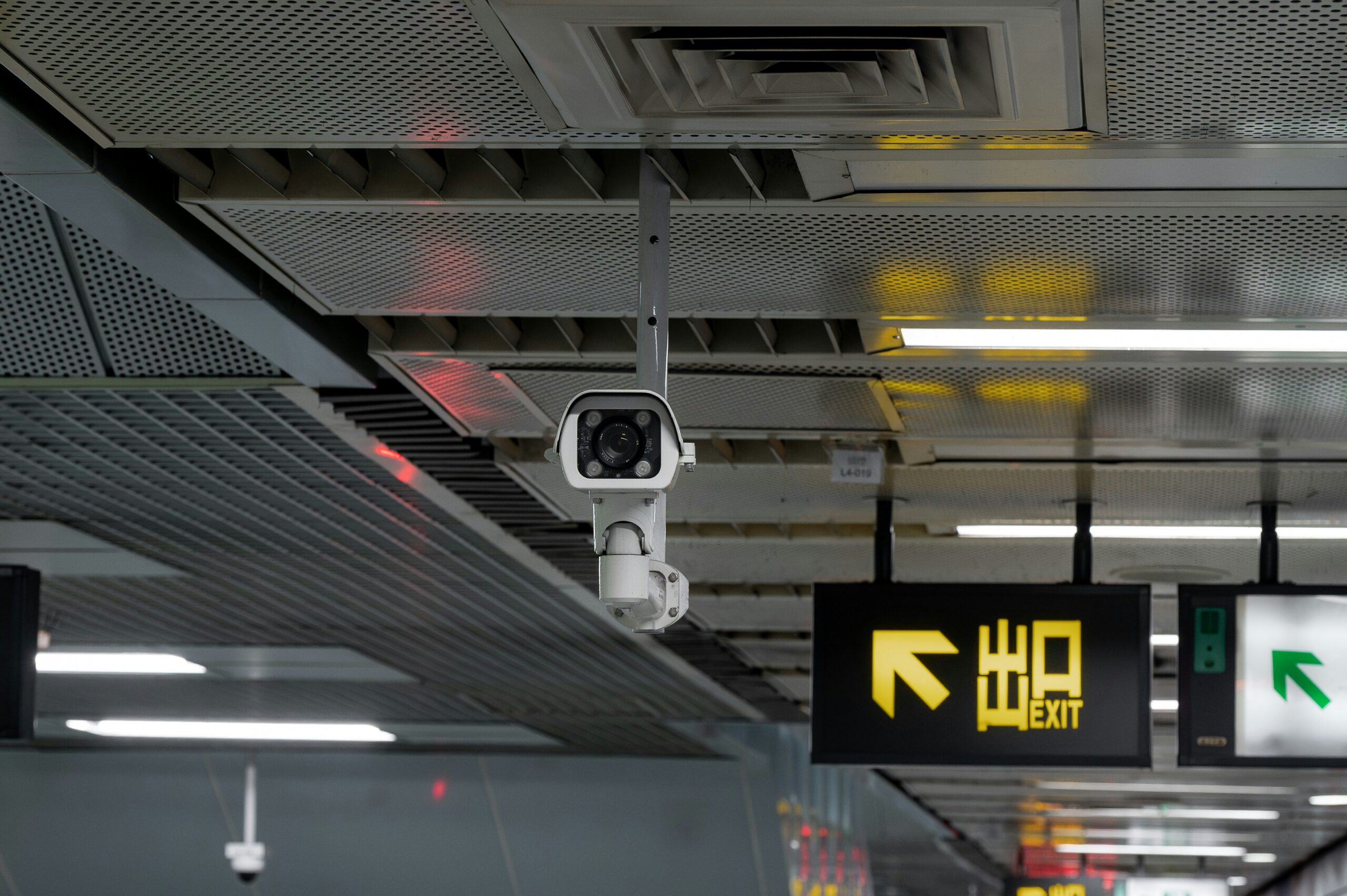

1. Hyper-Personalization with AI and Big Data
Gone are the days of one-size-fits-all package tours. The future is hyper-personalized, powered by Artificial Intelligence (AI) and Big Data. Imagine an AI travel assistant that knows you prefer boutique hotels over resorts, adventurous street food over fine dining, and morning hikes over late-night parties. By analyzing your past searches, social media likes, and even how long you linger on a webpage, platforms can curate experiences uniquely for you.
Practical Example: A family planning a trip to Orlando might be served suggestions for behind-the-scenes animal encounters at conservation parks, while a solo traveler gets recommendations for immersive art installations and local jazz bars. This isn’t just about ads; it’s about dynamic itinerary generation. Soon, telling an app “I want a culturally immersive, relaxing 5-day trip to Japan in autumn with a moderate budget” will yield a complete, bookable plan in seconds.
2. The Rise of Contactless and Biometric Travel
The pandemic accelerated this trend, but the convenience is here to stay. Contactless technology is streamlining every touchpoint, from booking to boarding. Digital keys sent to your smartphone are replacing plastic hotel keycards. QR codes are menus, museum guides, and boarding passes. The next frontier is biometrics.
Airports like Atlanta’s Hartsfield-Jackson and Dubai International are pioneering facial recognition systems that allow you to check bags, pass through security, and board your plane—all with just a look. This “face as a boarding pass” technology drastically reduces wait times and physical contact. For the traveler, it means less fumbling for documents and more time enjoying the airport’s local restaurant offerings or duty-free shopping.
Biometric Data and Privacy: A Necessary Conversation
This convenience comes with big questions about data security and privacy. Reputable companies and airports are investing heavily in secure, encrypted systems, often giving travelers the opt-in choice. As a savvy traveler, it’s worth researching an entity’s data policy before enrolling in biometric programs.
3. Virtual and Augmented Reality: Try Before You Fly
Can’t decide between a safari in Kenya or trekking in Peru? Virtual Reality (VR) might help you choose. Travel companies and destinations are creating immersive VR experiences that let you “walk” through a hotel suite, “stand” on a glacier, or “explore” a museum exhibit from your living room. This powerful tool is fantastic for inspiration and building confidence, especially for travelers with accessibility concerns or those booking expensive, once-in-a-lifetime trips.
Once at your destination, Augmented Reality (AR) takes over. Point your phone’s camera at a historic ruin, and see it reconstructed to its former glory on your screen. Look through AR glasses in a museum, and see paintings come to life with stories. Navigation becomes intuitive with arrows overlaid on real streets. This layer of digital information enriches the physical world, turning every sight into an interactive story.
4. Sustainable Travel Tech and the Green Revolution
Today’s travelers are more environmentally conscious, and technology is rising to the challenge. Apps now calculate the carbon footprint of your flight and offer certified carbon offset options at checkout. Electric vehicle (EV) rental platforms are expanding rapidly, with in-app features showing nearby charging stations. Hotels are implementing smart room systems that automatically adjust thermostats and lighting when you leave, significantly reducing energy waste.
Furthermore, blockchain technology is being explored to create transparent sustainability ledgers. Imagine scanning a QR code on a tour to see exactly how much of your fee goes to local conservation efforts or community projects. This verifiable data helps travelers support truly eco-friendly local tour operators and accommodations, voting with their wallets for a greener future.
5. The Power of the “Internet of Things” (IoT) in Hospitality
For hotel management, IoT is a game-changer. Sensors can predict maintenance issues before they disrupt a guest’s stay (like a failing air conditioner) and manage energy use across the entire property efficiently. This results in smoother operations and a consistently better guest experience, allowing staff to focus on personalized service rather than troubleshooting.
6. Voice Search and the Conversational Interface
“Hey Google, find me a romantic bed and breakfast in the Napa Valley for next weekend.” Voice search is becoming a primary way we seek information, and travel is no exception. Optimizing for voice search travel queries means content must answer conversational questions directly. This shift is pushing businesses—from major airlines to your neighborhood family-owned restaurant—to ensure their online information is precise, up-to-date, and structured in a Q&A-friendly format.
Soon, we’ll move beyond simple search to full conversational planning with AI. You might debate the pros and cons of different neighborhoods in Lisbon with a chatbot that accesses real-time data on events, weather, and even crowd levels.
7. Robotics and Automation: The New Hospitality Crew
Robots are no longer just for sci-fi movies; they’re appearing in airports and hotels worldwide. You might encounter a robot delivering towels or room service to your door, a concierge bot answering questions in the lobby, or an autonomous luggage cart. In airports, cleaning robots sanitize spaces, and some are even testing robotic baggage handlers.
The goal isn’t to replace human warmth and expertise but to handle repetitive, mundane tasks. This frees up human staff to provide the thoughtful, empathetic service that technology can’t replicate—like recommending that perfect little-known local wine bar or helping rebook a complex itinerary during a travel disruption.
Embracing the Tech-Powered Journey
The common thread through all these trends is a shift towards effortless, meaningful, and responsible travel. Technology is removing friction—the long lines, the confusing bookings, the generic experiences. It’s handing the power back to the traveler to craft journeys that are deeply personal and aligned with their values.
As these tools evolve, the most successful players in the tourism industry—from global booking platforms to your city’s best walking tour company—will be those who leverage technology to enhance, not replace, the human element of discovery. They’ll use data to understand us, automation to serve us better, and immersive tech to inspire us, all while keeping the joy of unexpected moments and genuine connection at the core.
Photo Credits
Photo by Turquo Cabbit on Unsplash
- Cybersecurity Insight – 31/03/2026
- The AI Tool Essentials – 31/03/2026
- The Legal Literacy Guide – 31/03/2026

•
Leave a Reply