For decades, the pursuit of optimal health has been fragmented, a series of isolated pursuits: grueling gym sessions, restrictive diets, and the occasional meditation app opened in a moment of stress. This compartmentalized approach is not only unsustainable but fundamentally misunderstands the human organism. As we move deeper into the 2020s, a new paradigm is emerging from the confluence of cutting-edge neuroscience, nutritional biochemistry, and performance science. It’s a holistic framework where mindfulness, nutrition, and movement are not competing priorities, but synergistic threads in a single, dynamic tapestry of well-being. This isn’t about adding more to your to-do list; it’s about a strategic integration that creates a compound effect, yielding resilience, vitality, and a profound sense of agency over one’s own health.
The Foundational Shift: From Siloed Goals to Systemic Harmony
Mindfulness: The Operating System for Conscious Choice
In this triad, mindfulness acts as the essential operating system—the meta-skill that informs and enriches the other two. It moves beyond stress reduction to become a tool for interoceptive awareness, the ability to perceive the body’s internal signals.
Cultivating Body Intelligence for Nutritional and Movement Choices
How often do you eat out of habit, distraction, or emotion? Or push through a workout ignoring clear signals of fatigue or pain? A consistent mindfulness practice, even just 10 minutes of daily breath-focused meditation or a body scan, sharpens your ability to discern true hunger from craving, to recognize the subtle difference between productive exertion and harmful strain. This awareness is the bedrock of intentional living. For those seeking structure, premium mindfulness and meditation apps now offer biofeedback-integrated sessions that tailor practices to your physiological state in real-time, while corporate wellness consultants are increasingly embedding these tools into executive health protocols to enhance decision-making and resilience.
Nutrition: Strategic Fuel for Mind and Body Performance
Nutrition in 2026 is less about dogma and more about strategic, personalized biochemistry. The conversation has evolved from mere calorie counting to understanding food as information and infrastructure.
Beyond Macronutrients: The Chrono-Nutrition and Gut-Brain Axis
Two critical concepts dominate the current discourse. First, chrono-nutrition—aligning food intake with circadian rhythms. Research confirms that consuming a protein-rich breakfast and larger meals earlier in the day synchronizes metabolic processes, enhancing energy utilization and sleep quality. Second, the gut-brain axis is now a primary focus. The microbiome produces a vast array of neurotransmitters and communicates directly with the brain via the vagus nerve. Thus, nourishing gut health with diverse fibers, fermented foods, and polyphenols isn’t just for digestion; it’s direct support for cognitive function and emotional regulation. For precise personalization, many are turning to functional medicine practitioners and registered dietitians specializing in integrative nutrition who can interpret advanced biomarker testing to create bespoke nutritional plans.
Movement: The Catalyst for Integration and Expression
Movement completes the circuit. It is the physical expression of a mindful intention and the metabolic demand that makes strategic nutrition meaningful. The trend is away from punishing, monotonous routines and toward varied, joyful, and functional movement patterns.
What does a holistic movement regimen look like in 2026?
It blends modalities:
Strength Training: Non-negotiable for metabolic health and longevity. It builds the physical resilience that supports everything else.
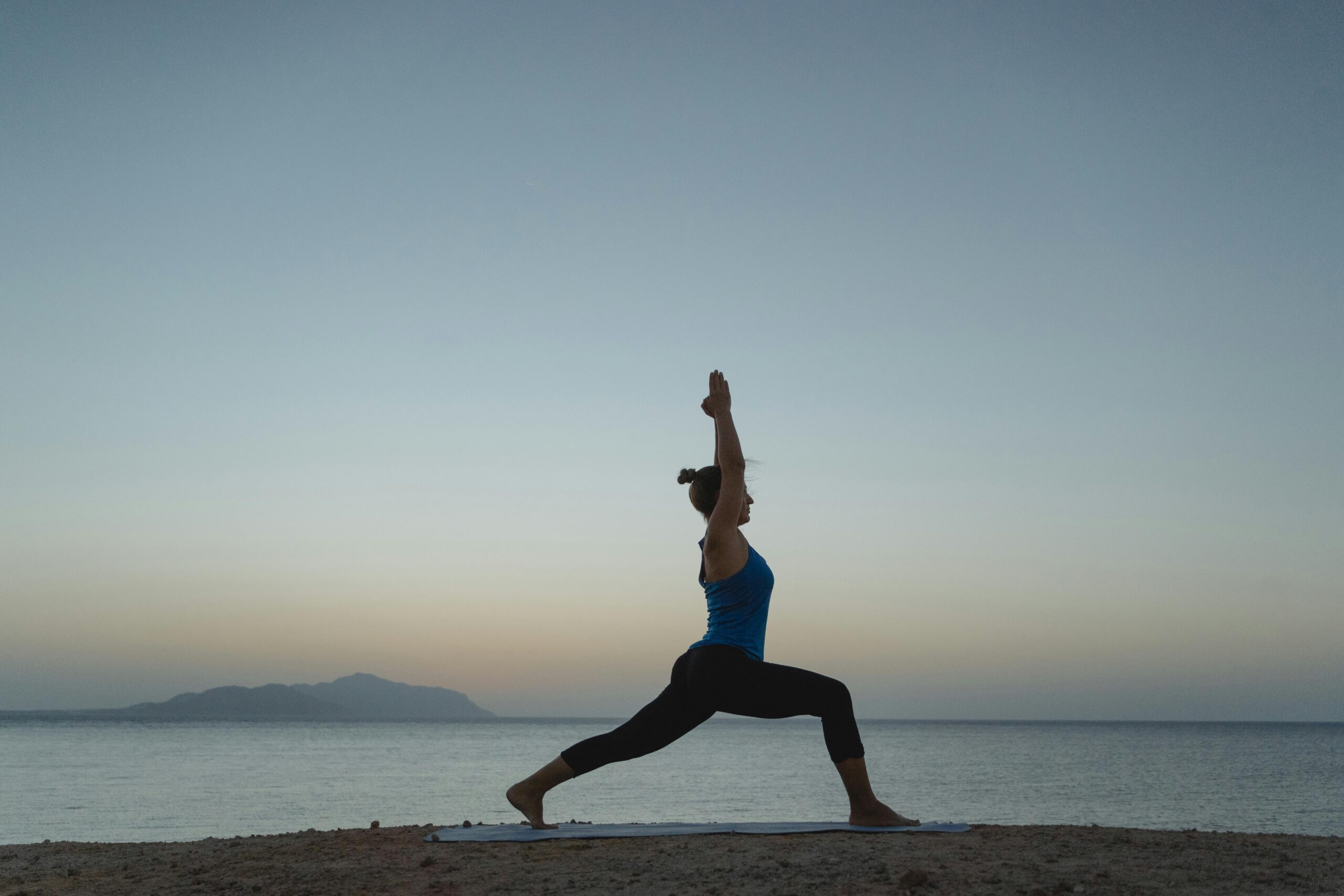
Mind-Body Practices: Yoga, Tai Chi, or structured mobility flows. These practices are the literal embodiment of mindfulness, linking breath to movement and enhancing proprioception.
Zone 2 Cardio & NEAT: Low-intensity, steady-state cardio (like brisk walking) builds mitochondrial efficiency, while a focus on Non-Exercise Activity Thermogenesis (NEAT)—taking the stairs, walking meetings—keeps the metabolic engine idling high throughout the day.
For seamless integration, services from personal trainers with a neuroscience background or memberships at boutique fitness studios offering hybrid mind-body classes are seeing high demand, as they provide the expert guidance necessary to align movement with overarching health architecture.
The Integrated Blueprint in Daily Practice
Theory is one thing; practice is another. How does this integration manifest on a random Tuesday? It begins not with a radical overhaul, but with strategic micro-shifts that create linking habits.
Practical Integration: A Day in the Life
Morning: Start with five minutes of mindful breathing before checking your phone. Follow with a protein-centric breakfast (e.g., eggs with vegetables). Use a walking commute or a 10-minute bodyweight circuit to integrate movement and wake up the nervous system.
Midday: Practice mindful eating at lunch—chew thoroughly, screen-free. Take a post-lunch “movement snack,” a short walk outside to aid digestion and reset focus, practicing awareness of your surroundings.
Evening: Engage in a dedicated movement session—this could be strength training or a yoga class. Wind down with a light, early dinner rich in fiber and healthy fats to support overnight repair. Conclude with a gratitude reflection or gentle stretching, signaling to your body that it’s time to restore.
The key is the connective tissue: using mindfulness to choose nourishing food, using nutrition to fuel effective movement, and using movement to release stress and deepen mind-body awareness.
The 2026 Outlook: Personalized, Tech-Enabled, and Proactive
The frontier of this integrated approach is hyper-personalization, gently facilitated by technology. We’re seeing the rise of AI-powered health platforms that synthesize data from continuous glucose monitors, sleep trackers, and mindfulness apps to provide actionable, real-time insights. Executive health concierge services are leveraging this data to coordinate care between your nutritionist, trainer, and mindfulness coach, creating a truly unified plan. The goal is shifting from reactive healthcare to proactive health creation, where individuals are empowered with a deep understanding of their unique blueprint.
Conclusion: The Compound Interest of Well-Being
Photo Credits
Photo by Tima Miroshnichenko on Pexels
- The 2026 Blueprint for Inspired Health: Integrating Mindfulness, Nutrition, and Movement – 10/03/2026
- Beyond the Hype: How Mental-Physical Alignment is Redefining Peak Performance in 2026 – 10/03/2026
- Beyond the Checkup: How Proactive Health Strategy Builds Unshakeable Resilience in 2026 – 10/03/2026

•
Leave a Reply