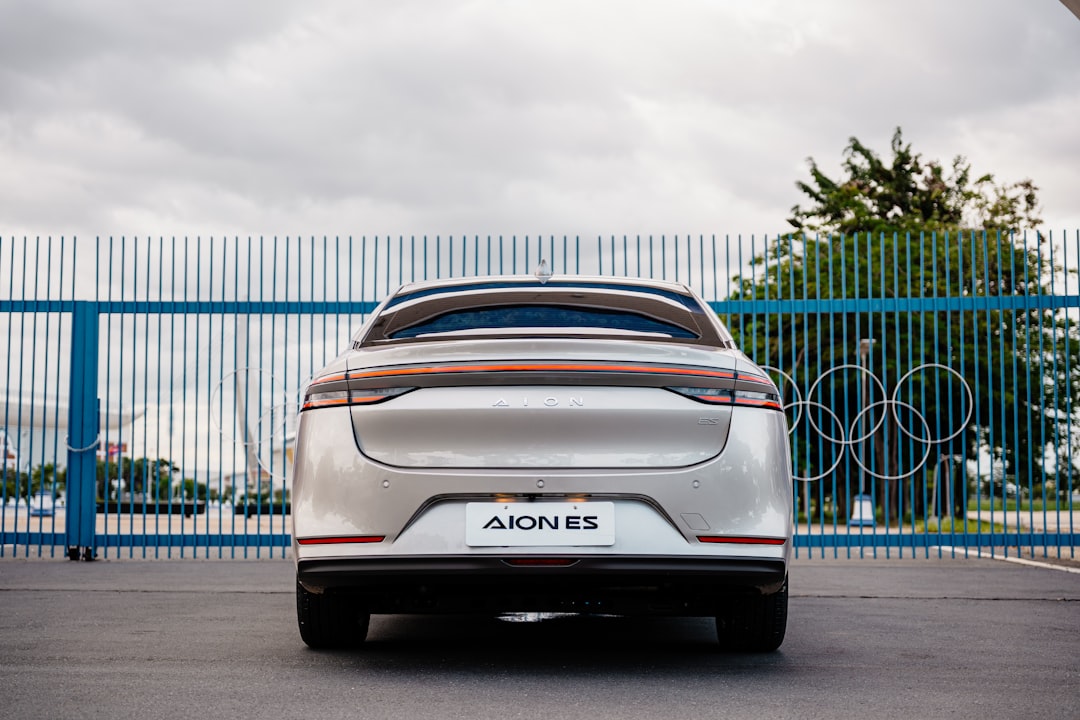
The modern automobile is undergoing a transformation more profound than any since the introduction of the internal combustion engine. Today’s vehicles are not merely modes of transport; they are sophisticated, connected platforms designed to enhance safety, comfort, and the overall driving experience. For anyone considering a new vehicle, understanding these advancements is key to making an informed choice that aligns with personal needs and preferences.
Safety Systems: The Digital Co-Pilot
A primary focus of automotive innovation has been on creating a safer environment for occupants and pedestrians alike. Modern safety technology acts as a vigilant digital co-pilot, monitoring surroundings and intervening when necessary to prevent incidents.
Advanced Driver-Assistance Systems (ADAS)
This suite of electronic systems uses sensors, cameras, and radar to provide critical data and automated support. Common features now found in many new models include:
- Automatic Emergency Braking (AEB): Detects an imminent collision with a vehicle, pedestrian, or cyclist and applies the brakes if the driver does not respond.
- Adaptive Cruise Control (ACC): Maintains a set speed while automatically adjusting to keep a safe following distance from the car ahead.
- Lane Keeping Assist (LKA): Gently steers the vehicle back into its lane if it begins to drift without a turn signal activated.
- Blind Spot Monitoring (BSM): Alerts the driver with a visual or audible signal when a vehicle is detected in the blind spot during a lane change.
Enhanced Visibility and Structural Tech
Beyond automated systems, new technology provides drivers with superior situational awareness. High-resolution surround-view camera systems offer a virtual 360-degree bird’s-eye view of the vehicle, making parking and navigating tight spaces significantly easier.
Furthermore, advanced high-strength steel, aluminum alloys, and innovative crumple zone designs work in concert with these electronic systems to provide a comprehensive safety net.
Connectivity and Infotainment: Your Car, Integrated
The dashboard has evolved from a simple cluster of gauges into a command center. Modern infotainment systems are the hub for entertainment, navigation, and vehicle settings, seamlessly integrating with our digital lives.
Smartphone Integration as Standard
Apple CarPlay and Android Auto have become nearly ubiquitous. These platforms mirror a simplified version of your smartphone’s interface onto the vehicle’s central touchscreen, allowing for safe, hands-free use of maps, music, messaging, and select apps.
Built-In Connectivity and Services
Many vehicles now include their own embedded 4G or 5G LTE Wi-Fi hotspot and subscription services. This enables a range of features directly from the car’s native system without a phone:
- Real-Time Navigation: Traffic, weather, and fuel price updates with over-the-air map updates.
- Voice-Activated Assistants: Use natural language to control climate, find points of interest, or send messages.
- Remote Vehicle Access: Lock/unlock doors, start the engine, or check fuel level from a smartphone app.
- Over-the-Air (OTA) Updates: Manufacturers can wirelessly deliver software updates to improve performance, add features, or enhance security, much like updating a smartphone.
Powertrain Evolution: Efficiency and Performance
The propulsion systems that move vehicles forward are more diverse and efficient than ever. This shift offers drivers options to match their priorities, whether for lower operating costs, environmental impact, or exhilarating performance.
The Rise of Electrification
Electrification is no longer a niche trend. The spectrum includes:
- Hybrid Electric Vehicles (HEVs): Combine a gasoline engine with an electric motor for improved fuel economy, using regenerative braking to charge the battery.
- Plug-in Hybrid Electric Vehicles (PHEVs): Offer a larger battery that can be plugged in, providing a substantial all-electric range for daily commuting before the gasoline engine engages.
- Battery Electric Vehicles (BEVs): Powered solely by electricity, they offer zero tailpipe emissions, instant torque, and lower “fueling” costs, with rapidly expanding charging networks.
Advanced Internal Combustion
Traditional engines continue to advance. Turbocharging and direct fuel injection are now common, providing more power from smaller, more efficient engines. Cylinder deactivation technology allows engines to run on fewer cylinders during cruising to save fuel.
Comfort and Convenience: The Personal Sanctuary
Technology is also focused on reducing driver fatigue and creating a more pleasant cabin environment. These features turn travel time into a more relaxed or productive experience.
- Adaptive Suspension Systems: Use sensors to instantly adjust shock absorber firmness for optimal comfort or handling based on road conditions and driving style.
- Massaging Seats and Enhanced Climate Control: Multi-contour seats with massage functions and zoned climate systems that can differentiate between driver and passenger preferences.
- Head-Up Displays (HUD): Project critical information like speed, navigation directions, and safety alerts onto the windshield, allowing drivers to keep their eyes on the road.
- Noise-Canceling Technology: Active sound systems use microphones and speakers to reduce unwanted road and engine noise in the cabin.
Navigating Your Options
With this array of new car features available, identifying which technologies offer the most value for your specific situation is the crucial next step. The ideal configuration depends heavily on individual driving habits, common road conditions, and personal priorities.
For instance, a daily commuter in heavy traffic might prioritize adaptive cruise control and a plug-in hybrid powertrain. A family driver may place the highest value on comprehensive safety suites and rear-seat entertainment connectivity. An enthusiast might seek out performance-oriented adaptive suspension and advanced driver-selectable modes.
The most effective way to understand how these technologies work in harmony and to determine which combination best supports your driving preferences and needs is to experience them firsthand. A detailed exploration of specifications, coupled with a professional consultation, can provide clarity and confidence as you evaluate the modern vehicles shaping the future of mobility.
- Cybersecurity Insight – 31/03/2026
- The AI Tool Essentials – 31/03/2026
- The Legal Literacy Guide – 31/03/2026

Leave a Reply