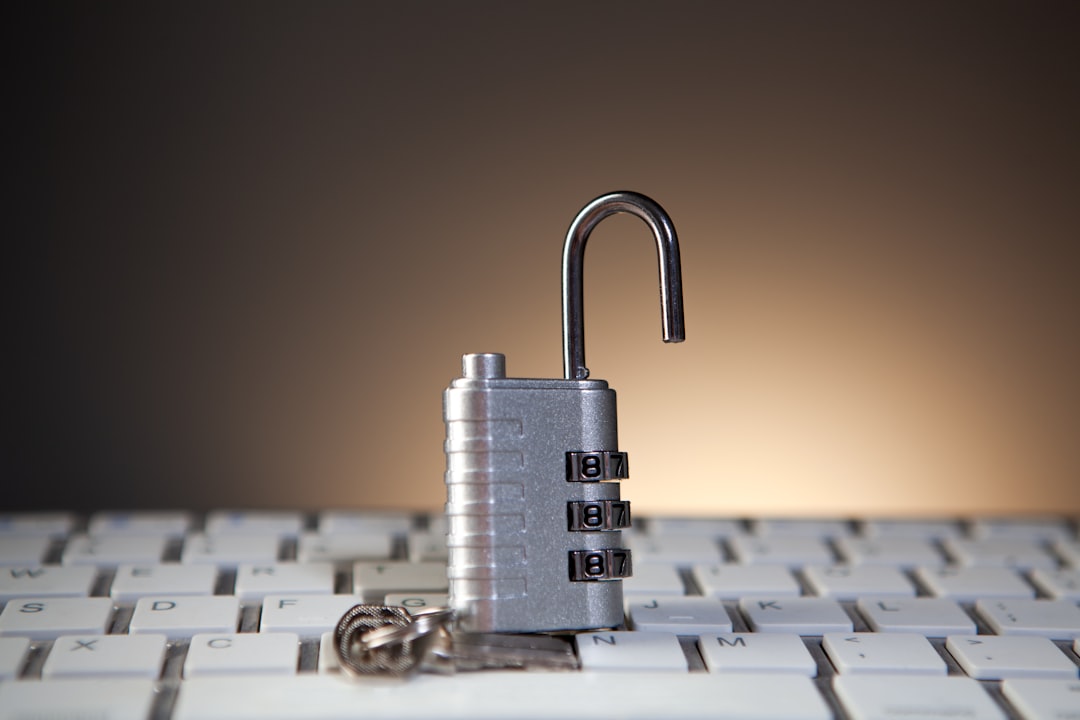
Every day, millions of people log in to work, shop online, or connect with family, often without a second thought about the digital footprints they leave behind. This constant connectivity has woven our personal and financial lives into the fabric of the internet, making our data one of our most valuable—and vulnerable—assets. The threats are often invisible, operating silently in the background of our daily routines.
For remote workers, parents, seniors, and anyone with an online presence, cybersecurity is no longer a niche technical concern. It is a fundamental life skill. The core challenge is not a lack of complex tools, but a gap in foundational knowledge about how modern digital threats operate and how simple, consistent habits can form an impenetrable defense.
The Modern Digital Landscape: Understanding the Invisible Threat
The internet today is vastly different from a decade ago. Cybercriminals have shifted from crude, widespread attacks to highly targeted, psychologically sophisticated campaigns. They exploit human nature—curiosity, trust, urgency—rather than just software flaws. This evolution makes everyone a potential target, regardless of their technical savvy.
Many individuals operate on outdated security assumptions. Believing a strong password is enough, or that they are not important enough to be targeted, creates a dangerous false sense of security. The reality is that personal data is a commodity, and a single breach can have cascading effects on your financial health and personal identity.
Where Common Practices Fall Short
Consider the typical online behaviors many of us have: reusing passwords across multiple sites, clicking on links in unsolicited emails, or using public Wi-Fi for sensitive transactions. Each of these actions, while convenient, opens a door. Modern threats are designed to walk right through these unlocked digital doors.
- Password Reuse: A breach on one site gives attackers the keys to many others.
- Unverified Links: A single click can install malware or lead to a fake login page.
- Public Network Use: Unsecured Wi-Fi allows eavesdroppers to intercept data.
- Oversharing on Social Media: Personal details can answer security questions or help craft targeted scams.
Building Your First Line of Defense: Core Principles of Digital Hygiene
The concept of digital hygiene refers to the routine practices and habits that maintain your online health and security. Just like washing your hands, these actions are simple, preventative, and highly effective. Implementing them does not require a degree in computer science, only a commitment to consistency.
Mastering the Art of Phishing Prevention
Phishing is the most common attack vector, using deception to steal login credentials or personal information. Modern phishing attempts are incredibly convincing, mimicking emails from your bank, a delivery service, or even a colleague.
The key to phishing prevention is a healthy skepticism and a pause before you click. Always verify the sender’s email address carefully, looking for subtle misspellings. Hover over links to see the true destination URL before clicking. If an email creates a sense of panic or urgency, treat it as a major red flag.
Fortifying Your Access Points: Passwords and Beyond
Strong, unique passwords are the bedrock of identity protection. A robust password is long, complex, and unrelated to your personal information. The most critical step, however, is to never reuse a password. Managing dozens of unique passwords is impossible to do manually, which is why a reputable password manager is a non-negotiable tool for modern online safety.
Where available, always enable multi-factor authentication (MFA). This adds a second verification step—like a code from an app—making it exponentially harder for an attacker to gain access even if they have your password.
Securing Your Digital Environment: Devices and Networks
Your personal devices are the gateways to your digital life. Ensuring their security is a multi-layered process that goes beyond antivirus software. It involves proactive maintenance and smart network choices.
- Software Updates: Enable automatic updates for your operating system and applications. These updates often patch critical security vulnerabilities.
- Home Network Security: Change the default password on your Wi-Fi router. Use WPA2 or WPA3 encryption. Consider creating a separate guest network for visitors.
- Public Wi-Fi Caution: Avoid accessing sensitive accounts on public networks. If you must, use a Virtual Private Network (VPN) to encrypt your connection.
- Device Encryption: Ensure the hard drive on your laptop and smartphone is encrypted. This protects your data if the device is lost or stolen.
Proactive Privacy: Taking Control of Your Data
Data privacy is about controlling what you share and who can access it. In our social and app-driven world, companies constantly collect information. Taking an active role in managing this data is a powerful component of your overall security posture.
Regularly review the privacy settings on your social media accounts and mobile apps. Limit the amount of personal information you share publicly. Be selective about the permissions you grant to applications—does a flashlight app really need access to your contacts?
Developing a Security Mindset
Ultimately, the most effective security tool is your own judgment. Cultivate a mindset where you question unexpected requests, verify information through official channels, and prioritize security over convenience in critical situations. This mindset transforms cybersecurity basics from a checklist into an intuitive part of how you navigate the digital world.
From Awareness to Action: Your Path to a Secure Digital Life
The journey to robust digital security begins with awareness but is solidified through consistent action. The threats may be invisible, but your defense does not have to be mysterious or out of reach. By understanding the principles of modern threats—from social engineering to network security weaknesses—you build the conceptual framework needed to make informed decisions every day.
Start by auditing your current habits. Review your passwords, check your social media privacy settings, and talk to your family about recognizing phishing attempts. Implement one new practice each week, such as enabling MFA on your primary email account or installing a password manager. This gradual, structured approach makes lasting change achievable for anyone, from digital nomads to seniors new to online banking.
Protecting your digital identity is an ongoing process of education and adaptation. As the landscape evolves, so must your habits. The goal is not to live in fear of the internet, but to engage with it confidently, knowing you have taken proactive, intelligent steps to safeguard your most valuable digital assets. The foundational understanding you build today is the strongest shield you can have for tomorrow’s challenges.
- Cybersecurity Insight – 31/03/2026
- The AI Tool Essentials – 31/03/2026
- The Legal Literacy Guide – 31/03/2026

Leave a Reply