
In the volatile landscape of the mid-2020s, resilience has become the ultimate currency. It’s no longer a soft skill discussed in corporate retreats, but a tangible asset, meticulously built and fiercely protected. While we often equate resilience with mental grit or financial buffers, a profound paradigm shift is underway: the most foundational and inspirational form of resilience is being cultivated not in the therapist’s office or the boardroom, but through the deliberate, science-backed practice of preventative health. This isn’t about fearing decline; it’s about engineering vitality. In 2024, we moved beyond reactive healthcare. In 2026, we are architects of our own biological fortitude, and the data shows it’s the most strategic investment one can make.
The New Resilience Economy: Health as Capital Allocation
The conversation has evolved from cost-saving to value-creation. A 2025 Lancet Public Health meta-analysis quantified what forward-thinking individuals have long sensed: every dollar invested in high-quality preventative measures—from advanced genomic screening to personalized nutrition—yields a $4.30 return in avoided medical costs and preserved productivity. But the real ROI is measured in uninterrupted potential. Executives leverage continuous glucose monitors not just for diabetes prevention, but for optimizing cognitive performance during high-stakes negotiations. Athletes utilize epigenetic age testing to tailor recovery protocols, extending peak competitive windows. This is preventative health reimagined: a dynamic system for capital allocation within one’s own biology, designed to maximize functional output and creative longevity.
From Generic Advice to Hyper-Personalized Protocols
The “eat well and exercise” mantra of yesteryear has been rendered obsolete by the precision of 2026’s health tech ecosystem. Prevention is now predictive and personalized. Companies like Function Health and InsideTracker have democratized access to deep biomarker panels, providing users with a real-time, data-rich dashboard of their internal physiology. This isn’t a static annual checkup; it’s a living audit. “We’re seeing clients use this data to make micro-adjustments—altering micronutrient intake based on oxidative stress markers, or modulating training intensity in response to inflammation cytokines,” explains Dr. Anya Sharma, a preventative medicine specialist at the Cleveland Clinic’s Center for Functional Health. “It transforms health from a vague concept into a series of manageable, optimizable metrics.”
Building the Pillars of Proactive Resilience
Cultivating this form of resilience rests on four interconnected pillars, each supported by a burgeoning industry of experts and technologies.
1. The Quantified Self: Data as the Sixth Sense
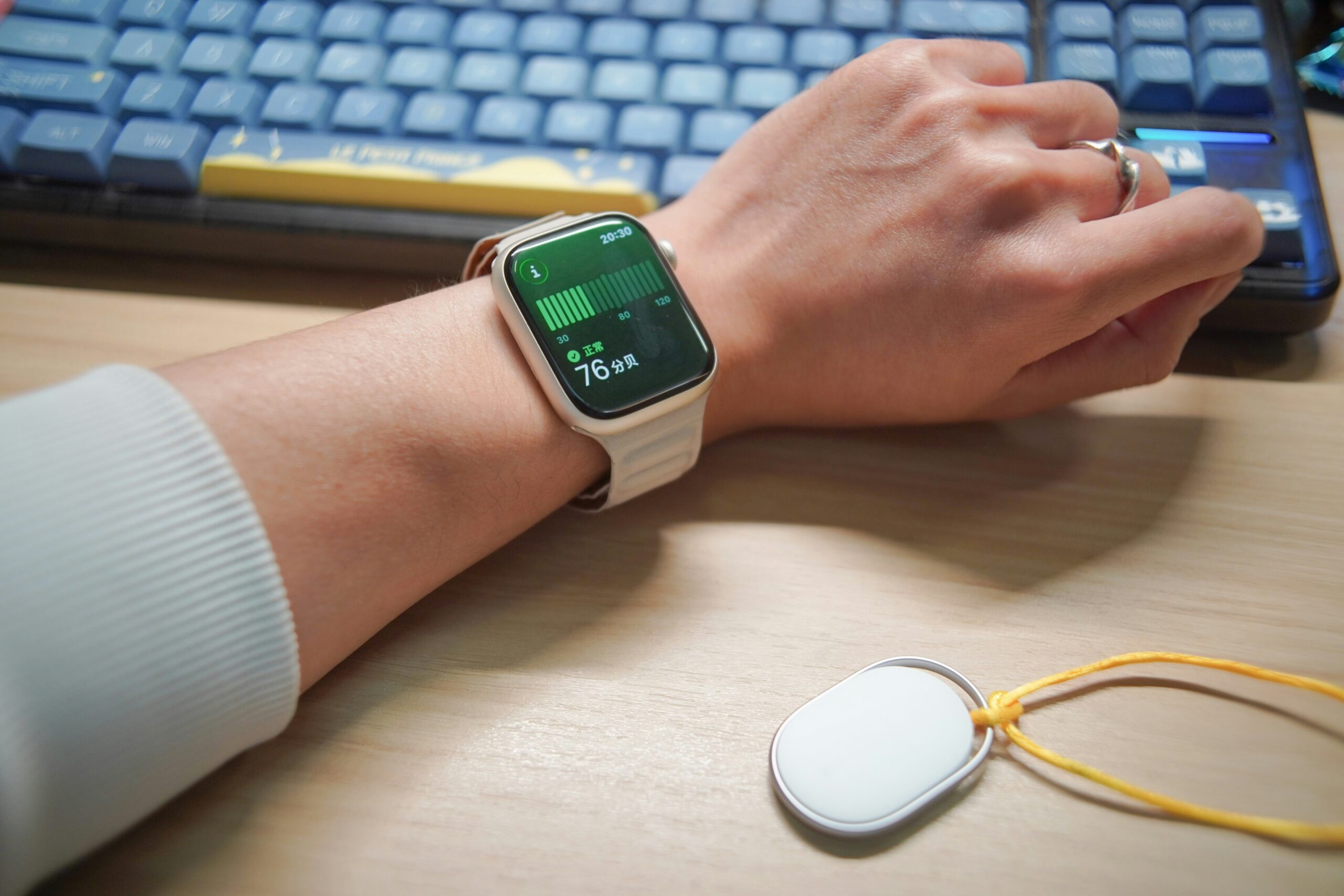
Wearables have graduated from step-counters to clinical-grade diagnostic partners. The latest Oura Ring Generation 4 and Apple Watch Series 10 offer FDA-cleared metrics for sleep apnea risk, atrial fibrillation, and baseline cortisol trends. This constant feedback loop allows for preemptive action. A subtle, consistent dip in heart rate variability (HRV) triggers a protocol of prioritized sleep and stress-management techniques before it manifests as burnout or illness. The high-intent search is no longer for “best fitness tracker,” but for “actionable health analytics platforms” and “wearables with clinical validation.”
2. Nutritional Psychiatry and the Gut-Brain Axis
The link between diet and mental resilience is now irrefutable. Nutritional psychiatrists are in high demand, creating personalized meal plans for cognitive function based on gut microbiome sequencing from services like Viome or Zoe. The goal is to nourish the microbiome to produce neurotransmitters like serotonin and GABA naturally. This has spurred growth for local functional medicine nutritionists and bespoke meal delivery services that cater not to weight loss, but to neurological and immunological optimization.
3. Proactive Recovery & Neurological Fitness
Resilience requires a nervous system that can withstand shock and return to baseline. Modalities once confined to elite athletes—like whole-body cryotherapy chambers and CES (Cranial Electrotherapy Stimulation) devices—are now featured in executive wellness centers. Similarly, apps like Calm and Headspace have evolved into neural resilience trainers, using EEG-integrated biofeedback to teach users how to consciously downregulate their stress response. The commercial bridge here is clear: consumers seek out “corporate resilience training programs” and “at-home biofeedback systems.”
4. Financial Health as a Preventative Measure
The stress of financial insecurity is a direct, measurable toxin. Thus, true preventative health in 2026 includes financial wellness planning. Advisors are increasingly partnering with health coaches, recognizing that a solid high-deductible health plan (HDHP) paired with a robust HSA is not just a financial tool, but a psychological safety net that enables proactive spending on preventative care without anxiety.
The Inspirational Flywheel: How Private Investment Drives Public Gain
This individual movement is creating a powerful societal flywheel. As demand surges for preventative services, venture capital floods into health innovation, driving down costs and increasing accessibility. The success stories are inspirational: the 55-year-old who reversed metabolic syndrome through a digitally-monitored lifestyle intervention and launched a second career; the community that pooled resources to bring a mobile advanced diagnostic clinic to its town. This isn’t just personal health; it’s a cultural recalibration towards agency and anticipation. It answers the high-value consumer’s search: “How do I invest in my long-term human capital?“
The 2026 Outlook: Integration and Accessibility
The frontier lies in seamless integration. We are moving towards a unified “health OS“—a platform that synthesizes data from your wearable, your microbiome test, your grocery purchases, and your genetic profile to deliver AI-powered, real-time lifestyle recommendations. The ethical challenge of data privacy is paramount, but the potential for preventing chronic disease is staggering. Simultaneously, the focus for progressive employers and insurers is on expanding access to these tools, recognizing that a resilient workforce is the ultimate competitive advantage.
Conclusion: The Ultimate Form of Empowerment
Cultivating resilience through preventative health is, at its core, an act of profound optimism and self-determination. It moves us from a narrative of victimhood to one of authorship. In 2026, the most inspiring figures aren’t those who merely overcome adversity, but those who, through deliberate, daily investment in their physiological and psychological infrastructure, build lives so robust that adversity is met not as a crisis, but as a manageable event. The tools—from hyper-personalized genomics to neural training apps—are now at our fingertips. The question is no longer if we can afford to invest in preventative health, but whether, in a complex and demanding world, we can afford not to. The resilient future is not predicted; it is built, one proactive choice at a time.
Photo Credits
Photo by Shawn Rain on Unsplash
- The 2026 Blueprint for Inspired Health: Integrating Mindfulness, Nutrition, and Movement – 10/03/2026
- Beyond the Hype: How Mental-Physical Alignment is Redefining Peak Performance in 2026 – 10/03/2026
- Beyond the Checkup: How Proactive Health Strategy Builds Unshakeable Resilience in 2026 – 10/03/2026

•
Leave a Reply