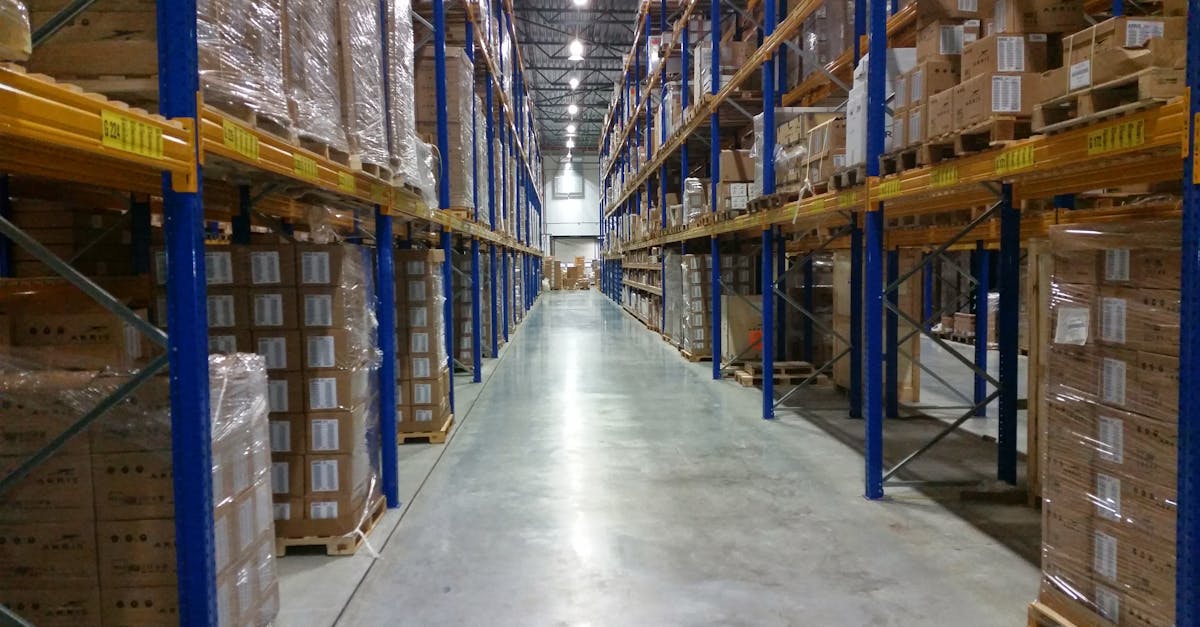
For entrepreneurs and retailers, finding a consistent source of high-quality inventory at competitive prices is a constant challenge. Traditional wholesale channels often require large minimum orders and established relationships, creating a significant barrier to entry. This is where the world of liquidation wholesale presents a compelling alternative, offering a pathway to stock your shelves or online store with brand-name goods at a fraction of their retail cost.
What Is Liquidation Wholesale Inventory?
Liquidation inventory refers to merchandise that retailers, manufacturers, or distributors need to sell off quickly and in large quantities. This is not damaged or defective goods, but rather excess stock that needs to be moved to free up capital and warehouse space. It represents a critical component of the modern retail supply chain.
Companies turn to liquidation for several strategic reasons:
- Seasonal Overstock: Unsold inventory from a previous season, such as winter coats or holiday decorations.
- Customer Returns: A massive volume of items sent back by customers, often in like-new condition.
- Overproduction: Manufacturers producing more than retailers have ordered.
- Store Closings or Remodels: Entire inventories cleared out during a location shutdown or refresh.
- Package Changes & Model Updates: Older packaging or last year’s model that needs to make way for new versions.
This merchandise is then aggregated by professional liquidation companies who purchase it in massive truckload quantities. They sort, grade, and resell it in smaller, more manageable lots to resellers, discount stores, and online merchants. This creates the bulk buying opportunities that savvy business owners seek.
Understanding the Different Grades of Liquidation Merchandise
Not all liquidation pallets are created equal. Reputable suppliers use a grading system to categorize the condition of the goods. Knowing these grades is essential for setting accurate expectations and calculating potential profit margins.
Liquidation Grade A (New & Overstock)
This is the highest quality tier. Grade A lots typically consist of brand-new, in-box merchandise that has never been sold to a consumer. It includes overstock, shelf-pulls, and items with minor packaging changes. These goods can often be resold as new without any refurbishment.
Liquidation Grade B (Customer Returns & Refurbished)
This category is primarily made up of customer returns. The condition can vary widely, from items that are essentially new (unwanted gifts) to those with minor defects or missing accessories. Many items in Grade B lots are tested and certified refurbished, offering excellent value.
Liquidation Grade C (Salvage & As-Is)
Grade C lots contain merchandise that is sold “as-is.” This can include damaged boxes, items with cosmetic flaws, or goods requiring repair. This category offers the lowest upfront cost but requires more work and expertise to evaluate and potentially refurbish for resale.
Exploring the Major Categories of Liquidation Inventory
One of the advantages of sourcing from liquidation wholesalers is the incredible diversity of product categories available. This allows you to find inventory that aligns perfectly with your business model and target market.
- General Merchandise: A vast category including home goods, kitchenware, toys, tools, and decor from major big-box retailers.
- Electronics & Appliances: From smartphones and laptops to small kitchen appliances and televisions. Often includes customer returns and refurbished items.
- Apparel & Footwear: Brand-name clothing, shoes, and accessories. Can be seasonal overstock or returns, often sold by the pallet in mixed sizes and styles.
- Grocery & Consumables: Shelf-stable food items, health and beauty products, vitamins, and cleaning supplies. Pay close attention to expiration dates in this category.
Practical Steps to Evaluate and Source Liquidation Inventory
Success in liquidation wholesale hinges on diligent research and a systematic approach. Jumping in without a plan can lead to purchasing inventory that doesn’t sell. Follow these steps to make informed decisions.
1. Define Your Business Model and Niche
Are you stocking a physical discount store, selling on Amazon FBA, or running an eBay store? Your sales channel dictates the type of inventory you should pursue. An Amazon seller might focus on Grade A new-in-box items, while a flea market vendor might thrive with Grade B mixed lots.
2. Research and Vet Liquidation Suppliers
Not all suppliers are transparent. Look for companies with clear manifestos (itemized lists of a pallet’s contents), detailed condition grades, and positive, verifiable reviews from other resellers. Established suppliers often have online marketplaces where you can browse available lots.
3. Analyze the Manifest and Calculate True Cost
Always review the manifest before buying. Calculate your all-in cost per item, including the lot price, shipping, taxes, and any processing fees. Then, research the current market value for each item on your intended sales platform to estimate your potential profit margin.
4. Start Small and Scale Gradually
For your first purchase, consider a smaller “truckload” or a single pallet instead of a full semi-truck load. This allows you to test the supplier’s quality, the sell-through rate of the merchandise, and your own process for handling and listing the goods without a massive financial commitment.
5. Have a Logistics Plan
Bulk inventory requires space and labor. Ensure you have a place to receive a pallet (a business address or a freight terminal for pickup), the tools to unload it (a pallet jack or help), and a workspace to inspect, test, and prepare items for resale.
Key Advantages and Considerations for Resellers
Liquidation wholesale offers distinct benefits but also comes with its own set of challenges that must be managed.
The primary advantages are clear:
- Significantly Lower Cost of Goods: Acquiring inventory at 70-90% below retail price creates substantial margin room.
- Access to Brand-Name Products: You can stock products from top-tier brands that would otherwise be inaccessible through traditional wholesale.
- Scalability: Once you find a reliable category and supplier, you can scale your purchasing to match your sales growth.
However, resellers must be prepared for:
- Condition Variability: Especially with customer return lots, you must be prepared to handle and potentially refurbish some items.
- Market Saturation: Popular liquidation items can be sold by many resellers, so pricing competitively is key.
- Upfront Capital & Storage: You are purchasing inventory in bulk, which requires cash on hand and adequate storage space.
Navigating the liquidation wholesale market successfully requires a blend of research, calculation, and hands-on experience. By understanding the sources of the inventory, the grading systems, and the logistics involved, you can transform bulk buying from a speculative gamble into a strategic sourcing channel. The opportunity lies in building a systematic process for evaluating these lots, allowing you to consistently uncover hidden value and build a profitable reselling business with a competitive advantage. The next step is to connect with reputable suppliers who provide the transparency and quality needed to make your first venture into this market a informed one.
- Cybersecurity Insight – 31/03/2026
- The AI Tool Essentials – 31/03/2026
- The Legal Literacy Guide – 31/03/2026

Leave a Reply