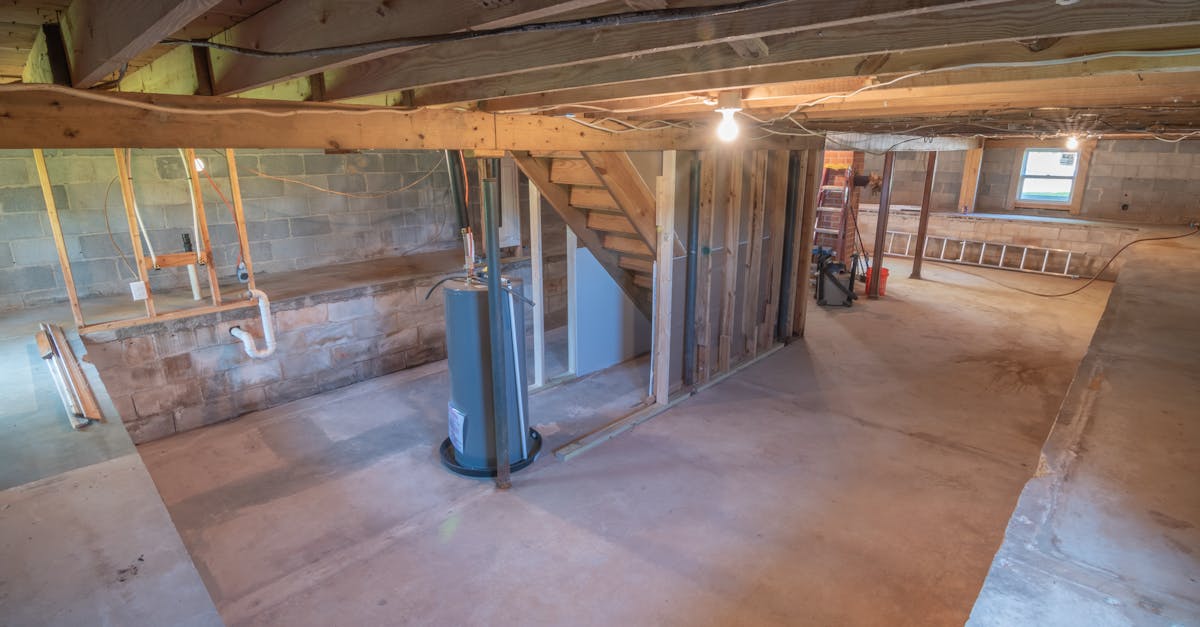
Your basement represents the single largest opportunity for home expansion without adding an inch to your property’s footprint. Yet, for many homeowners, this space remains a dimly lit repository for holiday decorations and forgotten furniture. The prospect of transforming it into a comfortable family room, a productive home office, or a private gym can feel daunting, tangled in concerns about dampness, low ceilings, and complex building rules.
The key to unlocking this potential lies not in a massive budget, but in a clear, methodical planning process. By understanding the unique considerations of below-grade construction, you can systematically address each challenge and create a plan that transforms uncertainty into a beautiful, functional reality. This guide walks you through the essential stages of planning your new basement, turning the complex into the achievable.
Laying the Foundation: Pre-Planning and Assessment
Before you dream about flooring or paint colors, a successful project begins with a clear-eyed assessment of your space and its purpose. This initial phase is about defining your vision and identifying the non-negotiable requirements that will guide every subsequent decision.
Define Your Vision and Function
What do you need most from your extra home space? A casual lounge area for movie nights requires a different layout and infrastructure than a dedicated home gym or a quiet, professional office. Be specific about the primary function, as this will dictate your budget allocation, lighting needs, and even flooring choices.
Consider creating a simple list of must-haves versus nice-to-haves. This exercise brings clarity and helps prevent scope creep, ensuring your project stays focused and on budget from the very start.
The Critical Moisture Check
This is the most important step in any basement finishing basics guide. Moisture is the arch-nemesis of below-grade living spaces. Installing drywall and carpet over a damp foundation is a recipe for mold, mildew, and costly repairs.
Conduct a thorough inspection:
- Look for Visual Signs: Check for white, chalky efflorescence on walls (a sign of mineral deposits left by evaporating water), rust on metal fixtures, or any visible water stains.
- Perform the Plastic Sheet Test: Tape a 2′ x 2′ square of clear plastic sheeting tightly to the concrete floor and another to a basement wall. Check after 24-48 hours. Condensation on the top side indicates high humidity, while moisture underneath signals seepage.
- Inspect the Perimeter: Ensure the ground outside slopes away from your foundation. Clogged or non-existent gutters and downspouts are a leading cause of basement water issues.
Any moisture issue must be resolved with exterior grading, interior drainage systems, or professional waterproofing before any remodeling work begins. This is non-negotiable.
Navigating the Core Systems and Safety
With a dry basement and a clear vision, you can now address the structural and regulatory elements. This stage involves working with—not against—the existing systems in your home and ensuring the space is safe for occupancy.
Understanding Egress and Building Codes
If your new room will be classified as a bedroom or a habitable living space, local building codes will almost certainly require an egress window or door. An egress window is not just a window; it is a designated emergency escape and rescue opening with specific size and accessibility requirements.
Understanding egress window basics is crucial for safety and compliance. Installing one typically involves cutting through the foundation wall, which is a job for professionals. Factor this into your early planning and budget, as it will influence your room layout and is a key part of responsible home expansion.
Working Around Utilities and Obstructions
Your furnace, water heater, ductwork, and plumbing pipes are fixed elements. Clever planning turns these potential obstacles into design opportunities. Strategies include:
- Creating a Utility Closet: Frame a dedicated, ventilated enclosure around mechanical systems for easy access.
- Building Soffits or Bulkheads: Box in overhead ducts or pipes with drywall to create clean lines. These can sometimes be incorporated into lighting design.
- Rerouting (If Feasible): In some cases, it may be cost-effective to have a plumber or HVAC technician reroute a particularly obstructive pipe or duct before framing begins.
Planning Your Electrical and Lighting Strategy
Basements often lack natural light, making a layered artificial lighting plan essential. Relying on a single overhead fixture will leave corners dark and the space feeling cavernous. A professional electrician can help you implement a plan that includes:
- Ambient Lighting: Recessed can lights or track lighting to provide overall illumination.
- Task Lighting: Under-cabinet lights for a bar area, a focused pendant over a desk, or sconces for reading nooks.
- Accent Lighting: LED strip lights on stair risers, toe-kicks, or within display shelves to add depth and visual interest.
Plan for ample outlets, considering furniture placement and electronics. Also, decide early on the location for your electrical panel, ensuring it remains easily accessible as required by code.
Selecting Materials and Finishes for Below-Grade Living
The materials you choose must be suited for a basement environment. Prioritizing durability and moisture resistance here will pay dividends in longevity and comfort.
Insulation and Framing Considerations
Proper insulation is vital for comfort and energy efficiency. While framing with traditional wood studs is common, consider using pressure-treated lumber for the bottom plate of any wall that contacts concrete, as it resists moisture wicking. For insulation, rigid foam boards installed directly against the foundation wall are often recommended over fiberglass batts, as they provide a thermal break and have a higher resistance to moisture.
Exploring Basement Flooring Ideas
Your flooring choice must balance comfort, moisture tolerance, and installation height. A popular and effective approach is to install a dimpled plastic subfloor membrane, which creates an air gap between the concrete and the finished floor, managing minor moisture and adding warmth.
Top flooring options include:
- Luxury Vinyl Plank (LVP): Highly water-resistant, durable, and available in convincing wood or stone looks. It can often be installed directly over the subfloor membrane.
- Engineered Wood: More stable than solid hardwood in fluctuating humidity, but still requires a very dry environment.
- Ceramic or Porcelain Tile: Completely impervious to water and extremely durable, though it can feel cold underfoot without radiant heating.
- Specialty Moisture-Resistant Carpet Tiles: Offer warmth and sound dampening, and individual tiles can be replaced if damaged.
Finishing Walls and Ceilings
For walls, moisture-resistant drywall (often green or purple board) is the standard. For ceilings, you have two primary choices:
- Drywall: Provides a clean, finished look but makes future access to plumbing and wiring in the joist bays difficult.
- Suspended/Drop Ceiling: While dated in some aesthetics, modern drop ceiling tiles are sleek and provide unparalleled access to utilities. This can be a practical and smart long-term choice.
Bringing Your Plan to Life
With a comprehensive plan in hand, you can move forward with confidence. Whether you’re managing the project yourself or hiring contractors, your detailed vision will serve as the essential roadmap.
If you choose to hire professionals, obtain multiple detailed quotes based on the same set of plans and specifications. A clear plan prevents misunderstandings and ensures you are comparing bids on a level playing field. For the DIY enthusiast, this planning process breaks the monumental task into discrete, manageable phases: moisture mitigation, framing, rough-ins for electrical and plumbing, insulation, drywall, and finally, finishes.
The journey from a dark, underutilized storage area to a vibrant living space is achieved through informed, step-by-step action. By methodically addressing moisture, safety, layout, and material selection, you are not just planning a basement remodel—you are strategically unlocking valuable square footage and enhancing your home’s functionality, comfort, and value for years to come.
- Technology: VPN Services – 28/04/2026
- Home Services: Roof Repair – 28/04/2026
- Home Services: HVAC Repair – 28/04/2026

Leave a Reply