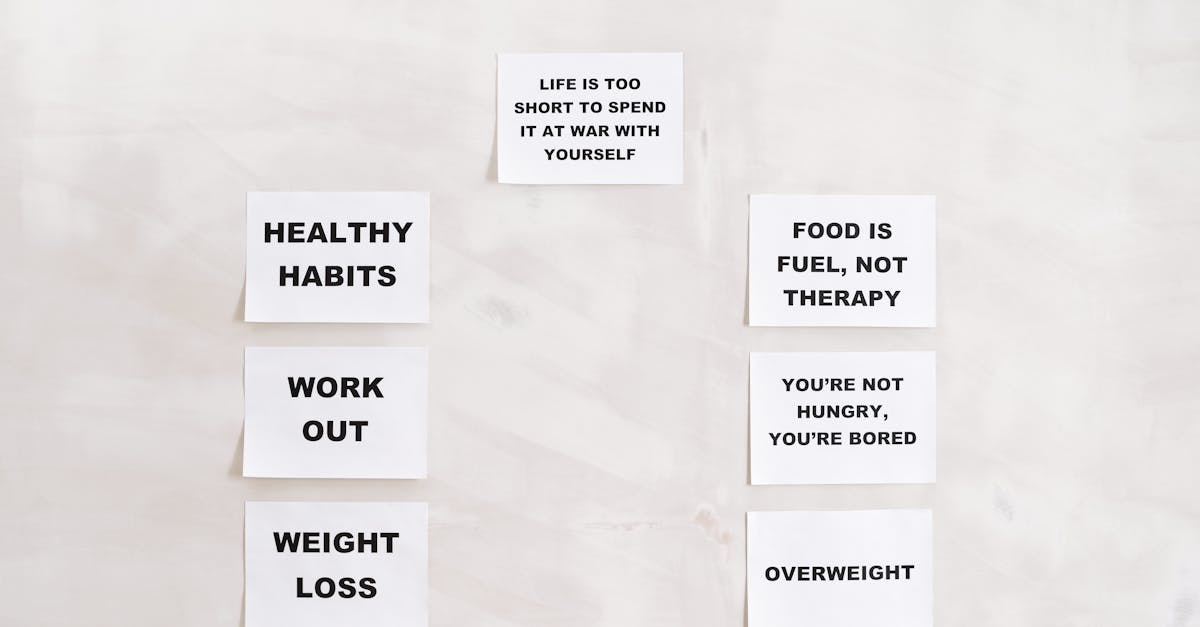
The pursuit of a balanced weight is often framed as a complex equation of calories in versus calories out. Yet, for many, this oversimplification misses the broader, more sustainable picture. True, lasting results are less about rigid diets and more about the cumulative effect of daily habits, thoughtful nutrition, and a supportive lifestyle.
This approach shifts the focus from short-term restriction to long-term harmony. It involves building a routine that supports your well-being without feeling like a constant battle. By examining the foundational pillars of daily habits, nutrition, and activity, we can create a framework for balance that endures.
The Foundation: Building Sustainable Daily Habits
Our daily routines form the bedrock of our health. Small, consistent actions, repeated over time, have a far greater impact than occasional grand gestures. The key is to design habits that are automatic, manageable, and aligned with your natural rhythm.
Consistency trumps intensity every time. A ten-minute morning walk you do every day is more powerful than a two-hour gym session you abandon after a week. The goal is to integrate wellness into the fabric of your day, making it a non-negotiable part of your identity.
Key Habit Pillars for Daily Routine Balance
Consider these foundational habit categories. You do not need to master them all at once. Start with one or two that resonate most.
- Sleep Hygiene: Prioritize seven to nine hours of quality sleep. A consistent sleep schedule regulates hormones that influence appetite and energy.
- Hydration First: Begin your day with a glass of water. Proper hydration supports metabolism, aids digestion, and can help manage hunger cues.
- Mindful Mornings: Create a calm, screen-free start to your day. This could involve five minutes of stretching, journaling, or simply enjoying a quiet cup of tea.
- Movement Snacks: Integrate short bursts of activity. Take a five-minute walk after meals, use a standing desk, or do light stretching during breaks.
- Digital Boundaries: Designate tech-free times, especially before bed. This improves sleep quality and reduces stress, which is closely linked to eating patterns.
Nutrition: Beyond Calorie Counting
Modern nutrition science emphasizes food quality and dietary patterns over obsessive calorie tracking. What you eat profoundly affects how you feel, your energy levels, and your body’s natural regulatory systems. The goal is nourishment, not deprivation.
A balanced plate supports stable blood sugar, sustained energy, and satiety. This approach naturally helps regulate appetite and reduces the likelihood of energy crashes that lead to poor food choices. It’s about adding beneficial foods, not just subtracting others.
Principles for Balanced Nutrition Choices
Adopt these guiding principles to structure your meals without strict rules. Flexibility is essential for long-term adherence.
- Prioritize Protein & Fiber: Include a source of lean protein and high-fiber vegetables in most meals. This combination promotes fullness and stabilizes energy.
- Choose Whole Foods: Base your diet on minimally processed foods—vegetables, fruits, whole grains, legumes, nuts, seeds, and quality proteins.
- Healthy Fats Are Friends: Incorporate sources like avocado, olive oil, and fatty fish. Fats are crucial for hormone function and help you feel satisfied.
- Mindful Eating Practices: Eat slowly, without distractions. Pay attention to hunger and fullness signals to avoid automatic overeating.
- Strategic Carbohydrates: Opt for complex carbohydrates like sweet potatoes, oats, and quinoa, which provide steady energy rather than spikes and crashes.
Lifestyle Factors: The Overlooked Catalysts
Daily habits and nutrition do not exist in a vacuum. They are deeply influenced by broader lifestyle factors. Stress management, social connections, and your environment play critical, often underrated, roles in your overall wellness journey.
Chronic stress, for instance, can elevate cortisol levels, which may influence where your body stores fat and increase cravings for high-calorie foods. Similarly, a lack of social support can make maintaining new routines feel isolating and difficult.
Essential Lifestyle Adjustments
Addressing these areas can remove invisible barriers to progress and create a more supportive ecosystem for your goals.
- Stress Resilience: Develop daily practices to manage stress. This could be meditation, deep breathing exercises, time in nature, or engaging in a hobby.
- Social Wellness: Cultivate relationships with people who support your healthy lifestyle. Consider activities like walking meetings or cooking healthy meals with friends or family.
- Environment Design: Make healthy choices the easy choices. Keep nutritious snacks visible, prepare meals in advance, and create a pleasant space for physical activity.
- Joyful Movement: Find physical activities you genuinely enjoy, whether it’s dancing, hiking, gardening, or sports. Consistency comes from enjoyment, not obligation.
- Progress Over Perfection: Adopt a flexible mindset. View setbacks as data points, not failures, and focus on the overall trend of your habits.
Crafting Your Personal Blueprint for Balance
The integration of these pillars—habits, nutrition, and lifestyle—creates a synergistic effect. A good night’s sleep improves willpower for food choices. Managing stress reduces emotional eating. Nutritious food fuels better workouts and daily energy.
The most effective plan is one tailored to your individual life, preferences, and responsibilities. It is not about mimicking someone else’s routine but about experimenting to discover what makes you feel energized, satisfied, and in control.
Begin by conducting a gentle audit of your current routine. Identify one small habit from each category—daily routine, nutrition, and lifestyle—that you can refine or introduce. Lasting change is a gradual process of layering these small wins. By focusing on the holistic interplay of daily habits, nutrition choices, and supportive lifestyle factors, you build a resilient foundation for wellness that adapts with you through all of life’s seasons.
- Technology: VPN Services – 28/04/2026
- Home Services: Roof Repair – 28/04/2026
- Home Services: HVAC Repair – 28/04/2026

Leave a Reply