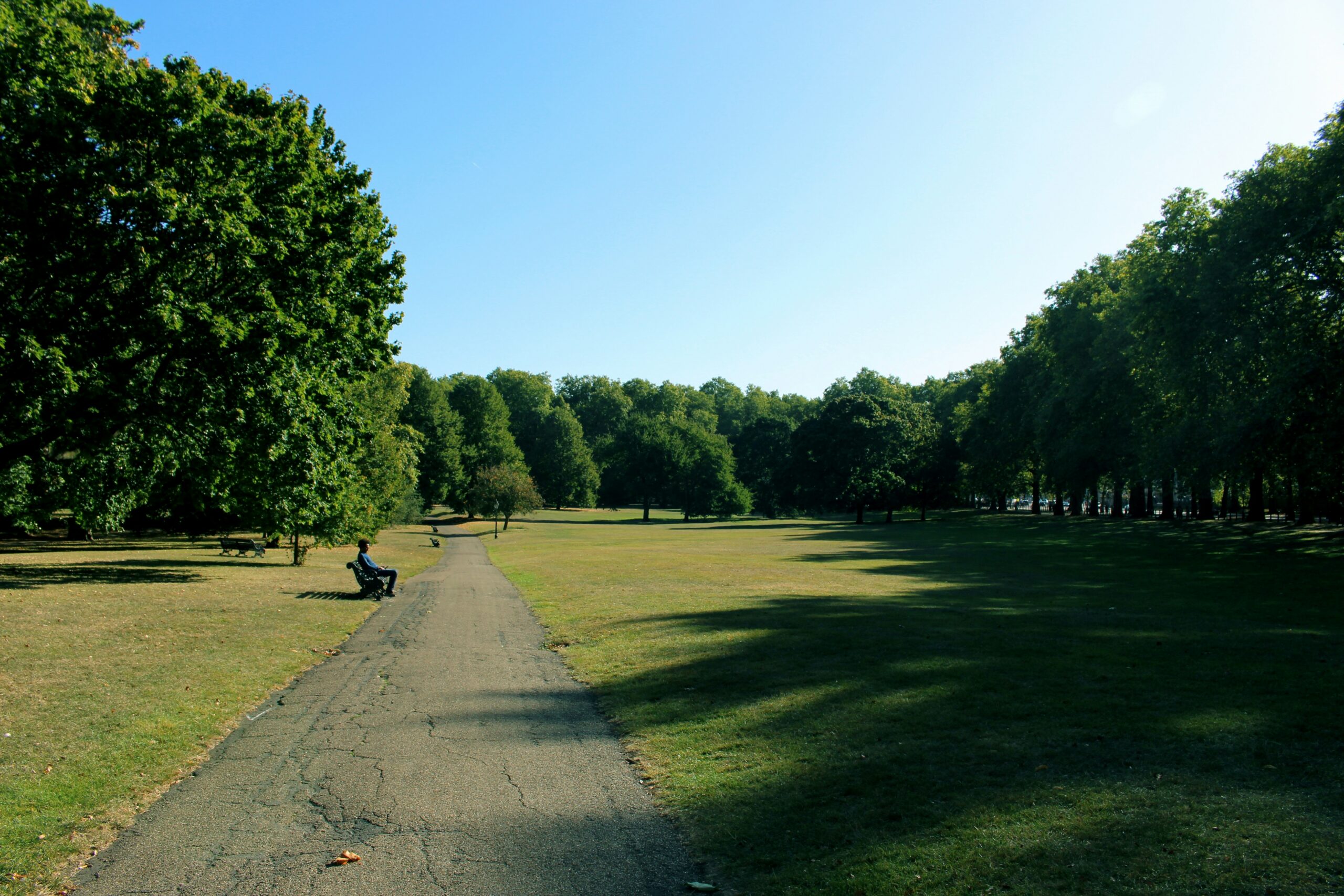

For years, the dominant cultural narrative was one of survival. We optimized for productivity, hustled through burnout, and measured success in output. But a profound shift is underway. As we move deeper into the 2020s, a collective awakening is reframing the goal from merely enduring life to actively designing it. This isn’t about ephemeral self-care trends; it’s a fundamental reallocation of personal capital—time, energy, and attention—toward a state of sustained vitality and purpose. Inspired living is emerging as the new premium, and the strategies to achieve it have evolved from vague affirmations to actionable, evidence-based systems.
The 2026 Landscape: Why “Thriving” is the New Benchmark
The data is clear. A 2025 Gallup-Healthways Global Well-Being Report revealed that while basic engagement metrics have stabilized, the deficit lies in “thriving dimensions”—purpose, social well-being, and financial security. Post-pandemic, hybrid work models have blurred lines, making intentional boundary-setting not a luxury, but a non-negotiable skill. Furthermore, advancements in wearable tech and personalized biometrics provide individuals with unprecedented data on their stress, sleep, and recovery, moving well-being from the abstract to the quantifiable. Thriving in this context means leveraging these tools and insights to construct a life that is not only productive but also resonant and regenerative.
Practical Frameworks for Systemic Life Design
Moving from theory to practice requires moving beyond piecemeal tips to integrated frameworks. Here are the core pillars of inspired living as defined by leading executive coaches and behavioral scientists in 2026.
1. Energy Portfolio Management: Your Most Critical Asset
Time management is obsolete. The frontier is energy portfolio management. Just as a savvy investor diversifies assets, a thriving individual strategically allocates energy across four key domains: physical, emotional, mental, and spiritual.
Physical Capital: This extends beyond diet and exercise. It includes circadian rhythm optimization using light therapy lamps and sleep trackers, and nutritional genomics services that tailor meal plans to your DNA. The commercial bridge is clear: high-value consumers are seeking personalized health concierges and bespoke fitness retreats that offer more than generic workouts—they offer metabolic recalibration.
Mental Capital: The focus is on cognitive hygiene. This involves scheduled “deep work” blocks using tools like focus apps, combined with mandatory “cognitive offloading” through practices like a weekly “brain dump” journaling session. The question many professionals are asking is: “Which digital mindfulness platforms offer the best ROI for focus restoration?”
2. Curating Your Inputs: The Media Diet Audit
In an age of algorithmic persuasion, what you consume consumes you. A 2026 strategy for inspired living mandates a rigorous media diet audit. This isn’t just about reducing screen time; it’s about proactively curating informational and emotional inputs. Replace doom-scrolling with subscribed newsletters from premium knowledge aggregators. Swap ambient anxiety for podcasts that challenge and expand your thinking. The local intent here connects to independent bookstores offering curated non-fiction sections and community lecture series that foster real-world intellectual engagement.
3. Purposeful Connectivity: Beyond Networking
Loneliness is a thriving deficit. The modern solution is purposeful connectivity. This means moving from broad, shallow networks to investing in a “personal board of directors”—a small, trusted group of individuals who provide specific counsel (career, emotional, creative). The commercial manifestation includes the rise of high-end mastermind groups and professional facilitation services for goal alignment. The local search query might be: “Where to find curated professional networking events for senior executives in [City]?”
4. Financial Architecture for Freedom
Financial stress is the ultimate throttle on inspiration. Thriving requires building a financial architecture that creates options, not just obligations. This involves working with a fee-only financial planner specializing in life design to structure assets for flexibility. It’s about using premium rewards cards strategically to fund experiential capital (travel, learning) rather than just accruing points. The intent is to transform wealth from a scorecard into a tool for enabling life-enriching experiences and security.
The 2026 Toolbox: Technology in Service of Humanity
The cutting edge of thriving leverages technology as a scaffold, not a crutch.
- AI-Powered Life Coaches: Apps that analyze your communication patterns, calendar, and goals to provide nudges for boundary setting, reflection prompts, and habit stacking.
- Biometric Feedback Loops: Using Oura rings or Whoop bands not for bragging rights, but to schedule high-stakes meetings during peak circadian cycles and to honor recovery needs.
- Virtual Reality for Mental Rehearsal: Professionals use VR environments to practice public speaking, meditate in simulated natural environments, or visually walk through goal achievement, enhancing motivation and reducing anxiety.
Implementing Your Thriving Strategy: A 90-Day Protocol
Begin with an audit. For one week, track your energy, inputs, and connections. Then, deploy this 90-day protocol:
Month 1: Foundation. Institute one non-negotiable ritual for physical energy (e.g., 20-minute morning walk) and one for mental clarity (e.g., a Sunday planning session). Conduct your media diet audit and unsubscribe/cull aggressively.
Month 2: Integration. Schedule two “purposeful connection” meetings. Meet with a certified financial planner for a one-time audit of your financial alignment with your values. Research and book one experience that falls under “experiential capital” for the next quarter.
Month 3: Optimization. Review your biometric data (sleep, stress) for patterns. Adjust one habit based on the data. Formalize your “personal board of directors” by identifying the gaps in your advisory circle and taking steps to fill them.
The Outlook: Thriving as a Continuous Practice
The journey from surviving to thriving is not a destination reached but a dynamic equilibrium maintained. It requires the regular audit of one’s life portfolio and the courage to reallocate resources away from draining obligations and toward inspiring engagements. As we progress through 2026 and beyond, the most valuable skill will be conscious self-authorship. It will be the ability to filter the world’s noise, harness technology with intention, and build a life where success is measured not by external validation, but by internal vitality, contribution, and a profound sense of aliveness. The era of the grind is over. The age of intentional, inspired living has begun.
Photo Credits
Photo by EUNHEE BANG on Unsplash
- The 2026 Blueprint for Inspired Health: Integrating Mindfulness, Nutrition, and Movement – 10/03/2026
- Beyond the Hype: How Mental-Physical Alignment is Redefining Peak Performance in 2026 – 10/03/2026
- Beyond the Checkup: How Proactive Health Strategy Builds Unshakeable Resilience in 2026 – 10/03/2026

Leave a Reply