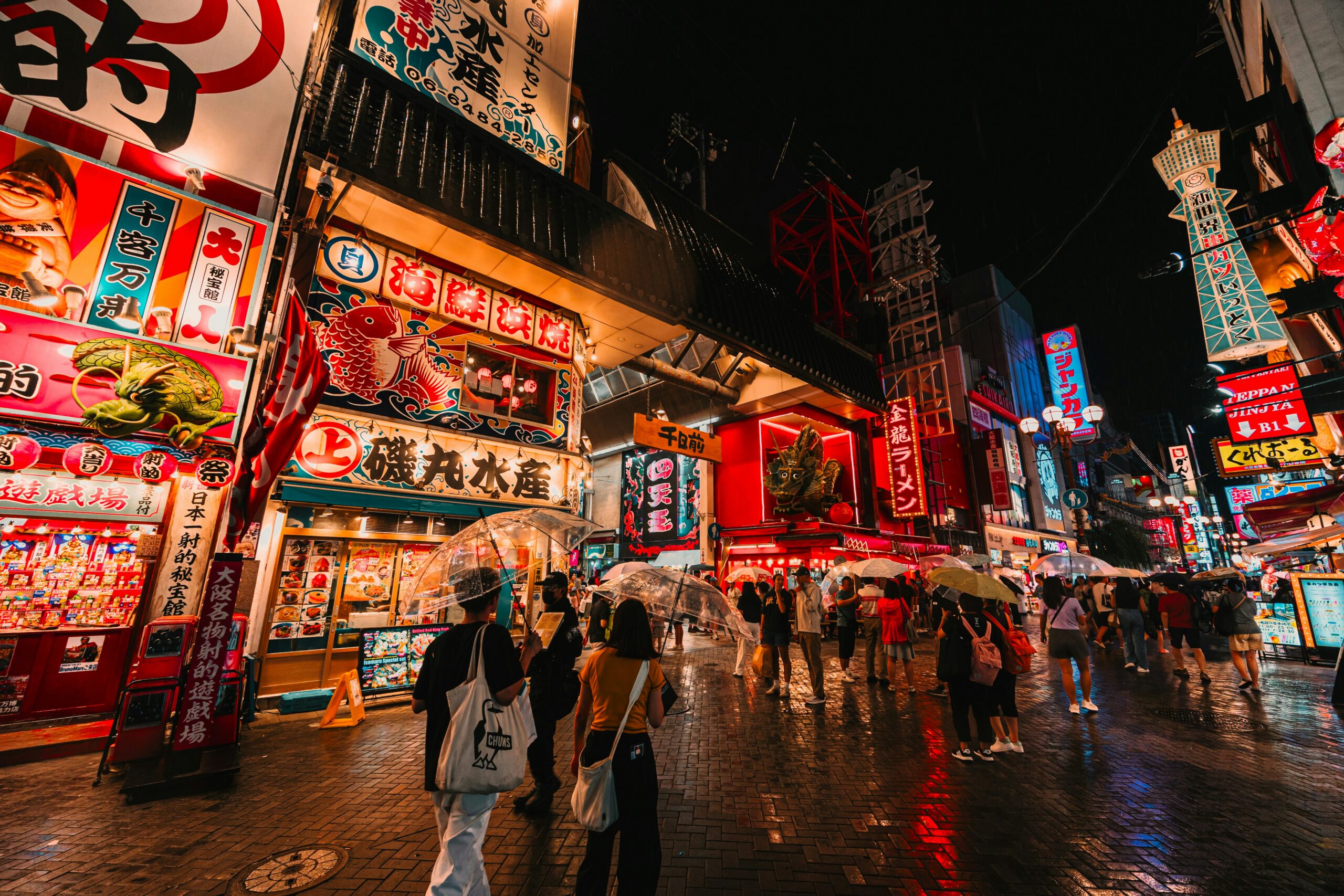

Imagine standing in a bustling night market, the air thick with the scent of sizzling spices and charcoal smoke. You’re handed a steaming bowl of something you can’t quite name, but the first bite is a revelation—a direct line to the heart of a culture. This is the magic of culinary tourism, a journey where your taste buds lead the way. It’s more than just eating; it’s about understanding a place through its ingredients, traditions, and the people who cook with passion. Planning a trip centered on the world’s best food is an art form, blending logistics with serendipity. Whether you dream of perfect pasta in Italy, fiery street food in Thailand, or innovative tasting menus in Peru, this guide will help you craft an unforgettable edible adventure.
What is Culinary Tourism, Really?
At its core, culinary tourism is the intentional pursuit of unique and memorable food and drink experiences. It’s moving beyond the hotel restaurant to seek out authentic local eateries, regional food markets, hands-on cooking classes, and even farm visits. This niche of travel is booming because food is a universal language and a powerful storyteller. A single dish can tell you about a region’s history, climate, and values. Planning such a trip requires a shift in mindset: the monument you visit might be a century-old bakery, and your tour guide might be a local chef.
Phase 1: The Delicious Research & Dreaming Stage
Every great food trip starts long before you book a flight. This phase is about inspiration and strategy.
Choosing Your Flavor Destination
Your destination might be inspired by a specific dish, a renowned food festival, or a particular culinary tradition. Are you drawn to the complex curries of Southern India, the fresh ceviches of Mexico’s coast, or the wine and cheese pairings of rural France? Consider the season—traveling during harvest time (like truffle season in Italy or cherry blossom season in Japan for sakura-flavored treats) can be transformative. Research regional specialties; for instance, don’t just go to “Thailand,” consider focusing on the fiery salads of Isan in the northeast or the coconut-based curries of the south.
Digging Deep: Beyond the “Top 10” Lists
While popular blogs and lists are a starting point, dig deeper for authenticity. Look for food documentaries and travel shows focused on your destination. Follow local food writers and chefs from the region on social media. Search for food forums like Chowhound or Reddit’s r/travel or r/food. Keywords like “best local food tour [City Name]”, “hidden gem restaurant [Region]”, or “market tour with chef [Destination]” can yield gold. Create a digital map (Google Maps works perfectly) and start pinning potential spots: markets, street food stalls, cafes, and fine-dining establishments.
Phase 2: Crafting Your Edible Itinerary
Now, turn that inspiration into a practical, flexible plan. The key is balance—between planned reservations and spontaneous discovery, and between eating and, well, not eating!
Building a Balanced Food-Focused Day
A marathon of meals can be overwhelming. Structure your days around key culinary experiences. For example:
Morning: Visit a bustling local market. Have breakfast there, sample fresh produce, and observe daily life.
Midday: Schedule a hands-on cooking class or a guided food tour. This is often the best way to learn context and make local connections.
Evening: Enjoy a leisurely dinner at a highly-anticipated restaurant. Always, always make reservations in advance for famous spots.
Leave plenty of gaps for wandering and stumbling upon that perfect little pastry shop or a vendor recommended by a local you met.
Booking Essential Culinary Experiences
Some experiences are the pillars of your trip and need booking ahead. This includes:
- Cooking Classes: Look for ones that start with a market visit.
- Food Tours: Opt for small-group tours led by locals. They offer safety in trying street food and incredible insight.
- Fine Dining Reservations: Book as soon as the reservation window opens, especially for world-famous restaurants.
- Producer Visits: Wineries, cheese caves, coffee plantations, or oyster farms often require appointments.
Phase 3: On-the-Ground Foodie Strategies
You’ve arrived! This is where the plan meets the plate.
How to Eat Like a Local (Safely and Smartly)
The golden rule: Look for places crowded with locals. A queue is usually a good sign. Don’t be afraid of street food—often it’s the freshest and most authentic. Observe basic hygiene: Is the food cooked hot in front of you? Is the stall busy (meaning high turnover)? Learn a few key phrases: “What do you recommend?” or “This is delicious” in the local language will open doors and hearts. Be adventurous, but listen to your stomach—pace yourself and stay hydrated.
Navigating Menus and Markets
At markets, take a full lap before buying anything. See what’s in season and where the longest lines are. Pointing and smiling is a universal language. In restaurants, ask servers about regional specialties or the dish the chef is most proud of. Embrace the “omakase” or “chef’s tasting” menu when available—it’s a culinary journey on a plate. Don’t forget to explore local food and drink pairings, whether it’s wine, sake, craft beer, or a specific non-alcoholic beverage.
Top Culinary Destinations & Experience Ideas
To spark your planning, here are a few iconic destinations and the unique food experiences they offer:
Asia: Street Food Kingdoms
Bangkok, Thailand: A street food paradise. Target Yaowarat (Chinatown) for seafood and Pad Thai, and Or Tor Kor Market for exquisite fruits and ready-to-eat dishes. A guided Bangkok street food tour is highly recommended for beginners.
Tokyo, Japan: From the world’s freshest sushi at Tsukiji Outer Market to steaming bowls of ramen in tiny shops, precision is key. Book a sushi-making class or a tour of the depachika (department store food basements).
Europe: Tradition and Terroir
Bologna, Italy: The heart of Italian food. Go beyond pizza and pasta to savor tagliatelle al ragù, tortellini in brodo, and mortadella. Visit a Parmigiano Reggiano or traditional balsamic vinegar producer in the nearby Emilia-Romagna countryside.
San Sebastián, Spain: A pinnacle of culinary tourism. Dive into pintxos (Basque tapas) in the Old Town, and book well in advance for a meal at one of its many Michelin-starred temples of molecular gastronomy.
The Americas: Fusion and Fire
Oaxaca, Mexico: A destination for serious food lovers. Explore the moles (seven classic varieties), taste mezcal at palenques (distilleries), and shop for ingredients at the bustling Mercado 20 de Noviembre. A Oaxacan cooking class is a must.
Lima, Peru: The culinary capital of South America. Experience world-class ceviche, causa, and the innovative Novoandina cuisine. Book a food tour in the Miraflores district and secure a table at one of its famous restaurants like Central or Maido.
Pro Tips for the Savvy Culinary Traveler
- Pack Smart: Bring comfortable shoes for market days, a reusable water bottle, and perhaps digestive aids. A small insulated bag can be useful for market purchases.
- Document Your Journey: Take photos of dishes, ingredients, and signs. Keep a food journal with notes on flavors and textures.
- Connect with Locals: Use apps like EatWith or Traveling Spoon to book meals in local homes—often the most memorable experience of all.
- Stay Flexible: The best meal of your trip might be the unplanned one at the family-run trattoria you found down a side alley.
Conclusion: Your Passport to Flavor Awaits
Culinary tourism is one of the most immersive and joyful ways to explore our world. It engages all your senses and creates connections that last long after the flavor fades. By moving with intention—doing deep research, building a flexible itinerary, and embracing local wisdom once you’re there—you transform simple meals into profound memories. So, start dreaming, start mapping, and start booking. Your next great adventure isn’t just a place on a map; it’s a symphony of flavors waiting to be discovered, one bite at a time. The table is set, and the world is your menu.
Photo Credits
Photo by Darien Attridge on Unsplash
- Technology: VPN Services – 28/04/2026
- Home Services: Roof Repair – 28/04/2026
- Home Services: HVAC Repair – 28/04/2026

•
Leave a Reply