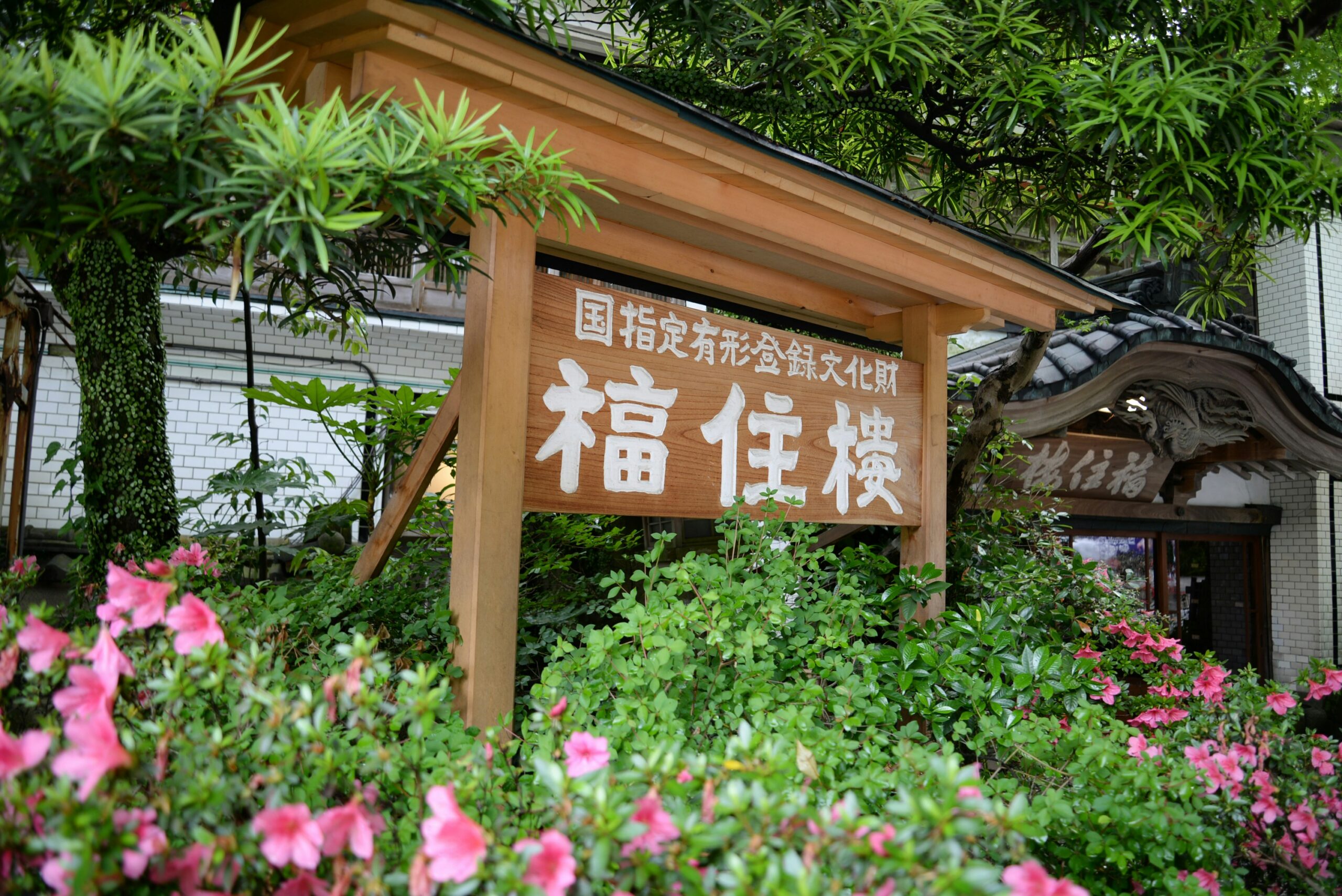

Why Ditch the Guidebook? The Value of Authentic Travel
Choosing to seek out authentic local experiences isn’t about being a travel snob. It’s a conscious decision to travel deeper. This approach transforms your trip from a simple sightseeing checklist into a meaningful connection with a culture. You support the local economy directly, putting money into the hands of families and small business owners rather than international chains. You gain a more nuanced, respectful understanding of a destination, breaking down stereotypes. Most importantly, you collect stories—not just souvenirs. The memory of learning to make pasta in a Tuscan nonna’s kitchen or sharing a spontaneous tea with a shopkeeper in Marrakech will outlast any keychain.
Your Toolkit for Uncovering the Real Deal
Finding these gems requires a slight shift in mindset and strategy. Forget the rigid itinerary; think of yourself as a temporary local. Here’s your practical toolkit to get started.
Rethink Your Accommodation
Skip the generic hotel in the tourist district. Opt for a locally-owned guesthouse, a pensione, a family-run ryokan, or a rental in a residential neighborhood. Your hosts are your first and best resource. They live there! Ask them where they go for coffee, where they buy their bread, and which neighborhood pub they frequent. You’ll get recommendations no travel blog has ever published.
Follow the Food (Away from the Main Square)
Food is the universal gateway to culture. To eat like a local, you must venture away from the main plazas. Look for these signs: a menu only in the local language, a line of residents waiting, or a simple, unassuming facade. Visit a local market in the morning—not just to look, but to buy. Grab some fresh fruit, cheese, and bread for a picnic. Even better, book a food-focused experience like a cooking class in a local home, a market tour with a chef, or a specialty food tour in a lesser-known district. These are golden opportunities for genuine interaction.
Embrace Slow Travel and Neighborhood Exploration
Instead of trying to cram three districts into one day, pick one residential area and wander. Get gloriously lost. Notice the small details: the way people greet each other, the shops they use, the parks where kids play. Use public transportation—buses, trams, local trains—not just tourist shuttles. Sit in a neighborhood cafe for an hour with a book or journal. Observe the rhythm of daily life. This “slow travel” approach allows the soul of a place to reveal itself to you.
Seek Out Local-Led Workshops and Events
What do people here do? Search for workshops that teach a traditional craft: pottery in Oaxaca, weaving in Guatemala, a traditional dance lesson in Bali. Check community boards, libraries, or websites like Meetup for local events—a neighborhood festival, a small gallery opening, a live music night at a local pub. These gatherings are filled with residents, not tourists, and offer a natural way to connect.
Connecting with Locals: Moving Beyond Small Talk
Human connection is the ultimate authentic experience. A smile and basic phrases in the local language go a very long way. Be curious and ask open-ended questions. “What do you love most about living here?” or “What’s a tradition your family has?” can open wonderful dialogues. Consider platforms that facilitate cultural exchange, like dining with a local family or joining a “walk with a local” guide who shows you their personal haunts. Remember, the goal isn’t to interview people, but to have a genuine, mutual exchange.
Leverage Technology the Right Way
Use your smartphone wisely. Instead of just TripAdvisor, dive into local blogs, Instagram accounts of residents (search by location tags in non-touristy areas), or regional forums. Apps like Atlas Obscura can point you to weird and wonderful offbeat sights. Even Google Maps can be a tool—zoom into a residential area and search for “bakery,” “bookstore,” or “park” to see what’s truly nearby.
Examples of Transformative Local Experiences
Let’s make this concrete. What does this look like in practice?
- In Paris: Skip the crowded Louvre for a day. Instead, wander the vibrant Belleville neighborhood, visit the Marché des Enfants Rouges (the oldest covered market in Paris), and end the day with a glass of natural wine at a local wine bar where the bartender is happy to explain each bottle.
- In Tokyo: Move beyond Shibuya Crossing. Spend an afternoon in Shimokitazawa, a bohemian district of thrift stores and indie theaters, or visit a sentō (traditional public bath) to experience a deeply ingrained aspect of Japanese community life.
- In Oaxaca: Book a tour with a local guide to visit a family-owned mezcal palenque in the surrounding valleys, learning the process directly from the producer, followed by a meal in their home.
Traveling with Respect: The Ethical Dimension
Pursuing authenticity comes with responsibility. Remember, you are a guest in someone’s home. Always ask for permission before taking photos of people. Be mindful of your impact—socially and environmentally. Support businesses that are clearly rooted in the community. Understand that some cultural or religious ceremonies are not spectacles; they are sacred. Your quest for an “authentic” experience should never invade privacy or turn culture into a commodity. Travel with humility, an open mind, and a desire to leave a place better than you found it.
The Journey is the Destination
Stepping off the well-worn tourist trail requires a bit of courage and a lot of curiosity. It might mean a missed bus, a language barrier, or a meal you can’t quite identify. But these are the moments that become your best travel stories. They are the connections that remind us of our shared humanity. By choosing to seek out authentic local experiences, you’re not just visiting a place on a map; you’re engaging with a living, breathing community. You trade the spectacle for the substance, and in doing so, you don’t just discover a new destination—you discover a new way to see the world. So on your next adventure, put down the guidebook, turn down the unfamiliar street, and see what you find. The real journey awaits.
Photo Credits
Photo by Vin Jack on Unsplash
- Technology: VPN Services – 28/04/2026
- Home Services: Roof Repair – 28/04/2026
- Home Services: HVAC Repair – 28/04/2026

•
Leave a Reply